Get Full Government Meeting Transcripts, Videos, & Alerts Forever!
Get email alerts on the Education Wellness topic
No spam. Unsubscribe anytime.
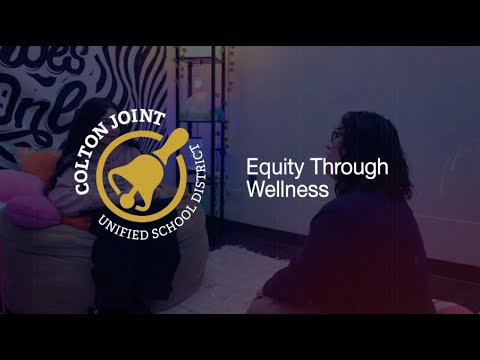
Colton Unified highlights nine school wellness centers; district reports more than 13,000 student visits
Summary
Colton Joint Unified School District says its nine campus wellness centers — opened beginning in 2020 — recorded more than 13,000 student visits and offer non-disciplinary supports such as yoga, art, and one-on-one interventions to help students manage stress and focus in class.
Colton Joint Unified School District operates nine on-campus wellness centers that the district says are designed as calm, nonpunitive spaces where students can access short-term interventions and coping resources. "It's not a discipline thing. It's not a health office thing. It's a wellness center thing," a wellness staff member said in a district segment explaining the centers' purpose.
The centers, which the district began opening in 2020, offer activities such as yoga, coloring and painting and provide flexible seating and sound machines to reduce sensory overload. According to narration in the program, the district recorded more than 13,000 student walk-ins across its wellness centers.
Students who use the spaces described immediate emotional benefits and social learning. One student said the room lets them "just breathe and relax" when their schedule is hectic. Another student said the advisers "bring such an open environment," adding that learning from peers in the center helped them become "more knowledgeable and more compassionate" toward others.
Staff emphasized that the centers are meant to complement academic supports. "Because if they can't focus, if they're stressed, if they're depressed or anxious, how do we expect them to go into class and take a test?" a wellness staff member said, framing the centers as part of broader efforts to support the "whole child." The district listed interventions ranging from rock painting and kinetic-sand play to one-on-one therapy sessions.
The program segment focused on the centers' design and everyday usage rather than policy details such as budget lines, referral criteria, or data on long-term academic outcomes. The narration and speakers did not specify total operating costs, referral protocols, whether parental consent is required for particular services, or whether any external agencies (for example, county education or public-health partners) are formally involved.
Colton Joint Unified School District did not offer additional details about how usage is tracked or how the 13,000 figure is compiled; the program presented that number as a district-recorded total of student walk-ins. The segment closed with a succinct message from students and staff that "Wellness is worthwhile" and that the centers are intended to be available to all students.