
Anchorage Assembly urges assessor review after steep 2026 property valuation changes
Get AI-powered insights, summaries, and transcripts
Subscribe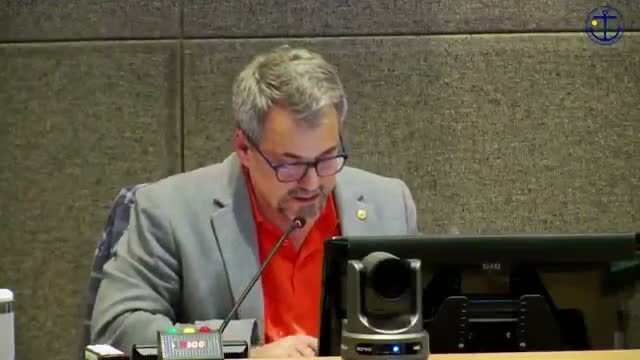
Summary
After months of constituent complaints about large year‑over‑year assessment jumps, the Assembly passed a substitute resolution directing continued review, a limited extension of appeal deadlines and an April report — replacing a broader, less-defined proposal for 'systematic reevaluation.'
The Anchorage Assembly voted unanimously Feb. 3 to approve a substitute resolution asking the municipal assessor to continue reviewing 2026 property valuations and to report back to the Assembly, after an extended debate about unusually large assessment increases. The substitute (AR2026‑34S) replaces language in an earlier draft that would have ordered a statutory “systematic reevaluation.”
Assembly Member Myers, who spoke at length as a realtor and longtime industry participant, told the Assembly he had seen adjacent condominium units with “substantially different, property tax valuation,” and said neighbors had contacted him in large numbers about increases that in some cases reached 30–40 percent. “I pulled condominiums specifically…they’re the same year built, same size,” he said, asking the administration to explain the disparities.
Municipal appraisal staff described changes this year to the cost and grading inputs used in the market‑adjusted cost model, noting improved cost data and fewer quality stratifications. “We looked to a national vendor, Marshall and Swift…we tried to simplify that,” the assessor’s office said in the meeting, adding staff were triaging calls and making corrections where warranted.
Assembly debate focused on legal and operational limits. Municipal attorneys warned the phrase “systematic reevaluation” lacks a fixed statutory definition and could create unknown obligations and timing issues for the assessor’s office. Supporters of the original resolution said a stronger, proactive review was needed; sponsors ultimately accepted the substitute that balances review with adherence to state law.
Key provisions adopted in AR2026‑34S include urging the assessor to continue proactive reviews and authorizing a 30‑day extension — to March 11 — for late appeals where residents had attempted informal review but did not receive a timely response from appraisal staff. The substitute also requires a report to the Assembly in April describing the status of informal reviews, appeals and any planned enhancements to the valuation process.
The Assembly clerk recorded the final vote on the substitute as 12–0 (with youth member vote counted), and members said they expected further public outreach to encourage affected property owners to use the informal review and appeal channels. As the assessor’s office noted during the meeting, “assessments are not taxes;” changes to individual tax bills will depend on exemptions, the mill rate and final budget decisions made later in the year.
What happens next: the assessor’s office will continue informal reviews and implement corrections where staff find errors; residents with concerns are still encouraged to call the appraisal division and use the expanded March 11 appeal window if they could not secure an informal review before the statutory deadline.