Get Full Government Meeting Transcripts, Videos, & Alerts Forever!
Get email alerts on the Zoning topic
No spam. Unsubscribe anytime.
Council begins rezoning process to reduce nonconforming R2/R3 parcels; residents seek clarification
Summary
On first reading council advanced ordinances to adjust R2 standards and rezone R3 parcels into R2, aiming to make many historically nonconforming parcels conforming; residents in attendance asked staff for one‑on‑one clarification about how changes affect their property.
The Wyoming City Council on first reading moved forward with a pair of zoning ordinance changes intended to reduce the number of nonconforming residential parcels by adjusting R2 standards and rezoning R3 parcels into R2.
City staff said the historical development pattern in many neighborhoods left roughly two‑thirds of parcels nonconforming under today’s standards (set decades after many homes were built). The proposed changes would reduce minimum lot widths and setbacks to better reflect existing neighborhood footprints, and the separate R3 residential district would be absorbed into R2 so more properties become conforming.
Nicole, a city staff member who addressed residents after the ordinance discussion, told those watching and attending that homeowners would not be required to move and that the changes are intended to ease renovations and allow property owners to make modest expansions without becoming nonconforming. “So you don’t need to be nervous about that,” Nicole said during council remarks explaining the intent.
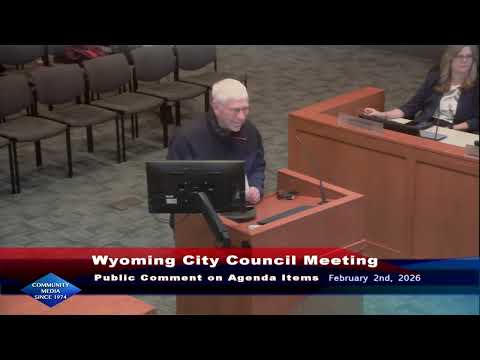
A visitor who said he was speaking for his 91‑year‑old mother asked whether their property—home to a detached garage for more than 50 years—was R2 or R3 and how the ordinance would affect them. Staff offered to meet after the meeting to review individual property status and address specific questions.
Both ordinances were presented as first readings; council members agreed to return the measures for final reading at a later meeting, allowing time for public review and comment.