
Irving residents press council to stop DART cuts to Routes 225 and 255 as staff outlines contingency plans
Get AI-powered insights, summaries, and transcripts
Subscribe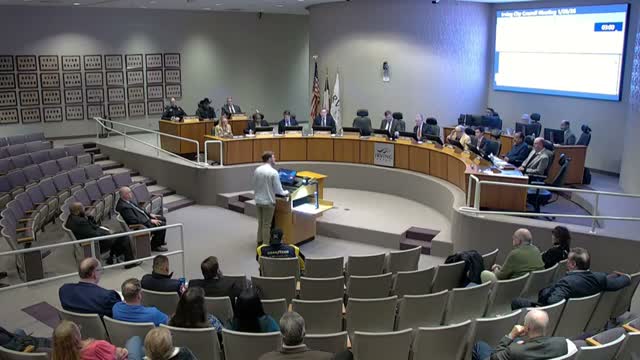
Summary
At a Jan. 29 Irving City Council meeting, residents and nonprofits urged the council to stop Dallas Area Rapid Transit (DART) from eliminating Routes 225 and 255. Staff presented ridership and funding data and outlined an RFI for city-run microtransit and paratransit if service ends.
Residents, service providers and city staff filled the Irving City Council chamber on Jan. 29 to press the city to stop Dallas Area Rapid Transit from removing bus Routes 225 and 255, which DART has labeled deficient and plans to discontinue in early February.
Multiple speakers described the routes as "lifelines" for seniors, people with disabilities, students and people exiting homelessness. "I access all of these things because paratransit exists," said Mary Witherspoon, a longtime regional resident. Nonprofit leaders and tenants said losing the lines would make it harder to reach jobs, medical appointments and social services.
Dan Vigil, Irving’s traffic and transportation director, presented DART’s performance framework and route data. He told the council the 255 averages about 530 trips per day and the 225 about 320. Vigil said the routes were flagged as deficient under DART’s performance targets and that some routes are subject to review after two years if they fail to meet minimum ridership. He also noted Irving’s sales tax contributions to DART have risen to about $110 million and asked whether DART had tried local outreach, marketing or schedule changes before canceling service.
Council members described ongoing negotiations with DART and urged residents to attend DART community meetings. The council noted it passed a resolution on Oct. 23 asking DART not to cut Irving routes. City staff and elected officials also discussed contingency planning if Irving withdraws from DART, including scaling up paratransit and microtransit services. Melissa Baker, project manager for public works, said the city’s RFI (released Nov. 21 and closed Dec. 19) received eight responses and that staff will seek community input in February before returning to council for further action.
Council members discussed a city proposal for phased funding to preserve service, describing a possible $5 million per year approach over five years as an alternative to a one‑time $25 million payment to DART. Council urged riders to make their views known at upcoming meetings (Dan Vigil identified a DART regional meeting scheduled for Feb. 11 in Irving and staff announced a city Health & Disabilities Advisory Board meeting on Feb. 10 at 6 p.m. to receive public input on microtransit and paratransit options).
Dan Vigil said the city is pressing DART for more information about what measures were tried to increase ridership and whether service reallocations will leave gaps that regional rail cannot absorb. "If none of [DART’s marketing and schedule adjustments] happens, then they consider it to be not viable," Vigil said.
Next steps: the city will continue negotiations with DART, hold scheduled public outreach sessions in early February, and return to council with RFI findings and recommended actions. The routes remain slated to end in early February unless DART reverses course.