
UN urges Rafah to operate as a full humanitarian corridor as aid and evacuations continue
Get AI-powered insights, summaries, and transcripts
Subscribe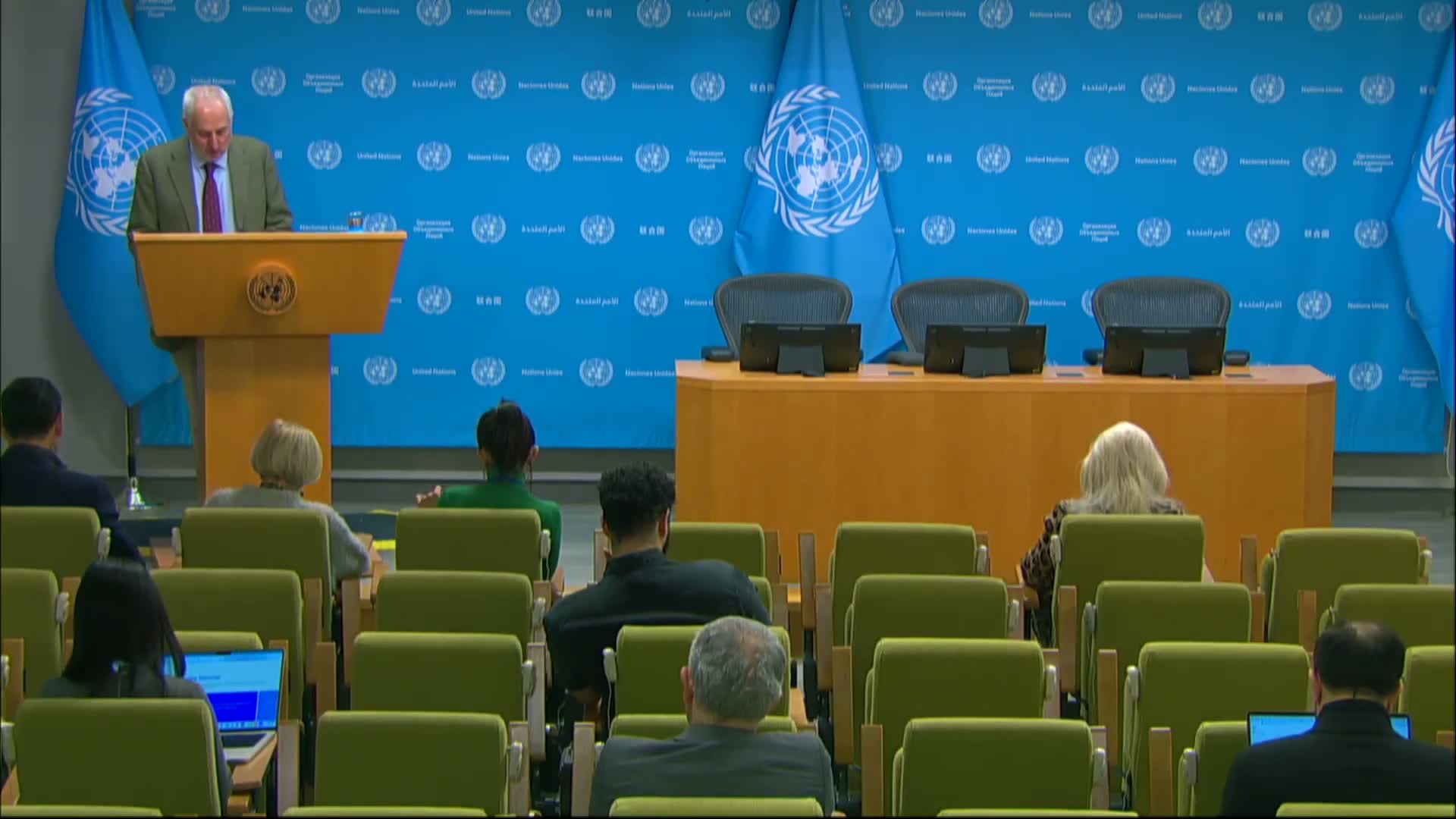
Summary
The UN urged rapid, unimpeded humanitarian passage through the Rafah crossing after the partial reopening facilitated WHO assistance for a small number of patients; the secretary-general and relief coordinators stressed urgent scale-up of food, shelter and medical aid amid heavy displacement and attacks.
The United Nations pressed for the Rafah crossing to operate as a full humanitarian corridor after a partial reopening that allowed limited movements in and out of Gaza. Emergency relief coordinator Tom Fletcher welcomed the reopening but warned it is “not enough” and urged a surge in aid deliveries and unimpeded passage.
The World Health Organization told the briefing that when the crossing opened it facilitated the evacuation of five patients and seven accompanying people, figures the UN spokesperson repeated as the number of people the UN helped transfer. The spokesperson also acknowledged other patients may have left through bilateral arrangements that did not involve WHO.
UN officials cited heavy civilian harm and displacement: the secretary-general reported that since the October agreement more than 500 Palestinians have been killed, and a UN official, Mister Gutierrez, said more than 37,000 Palestinians were displaced in the West Bank in 2025 alone. Humanitarian partners reported January distributions of roughly 1,700,000 meals per day through more than 180 kitchens, distribution of about 650 metric tons of animal feed, and emergency shelter assistance to over 83,500 families, including tents, mattresses and warm clothes. Partners called for moving beyond emergency items toward more sustainable shelter and education solutions.
OCHA and other UN and NGO partners have set up a reception area near Nassau Hospital in Khan Yunus with medical, psychosocial and referral services; UNDP is arranging bus transport for returnees from internal checkpoints to the hospital. UN agencies reiterated that protection of aid workers and safe access remain concerns.
The briefing made clear that the UN’s publicly reported numbers reflect what the UN system facilitated directly; local sources cited by reporters offered different totals for people moving through the crossing. UN officials said they would continue to report the figures the agencies can verify. The UN called on all parties to implement existing agreements in full, exercise restraint, and comply with international law and relevant UN resolutions. The spokesperson said the organization continues to press for facilitation of rapid and unimpeded humanitarian relief at scale through Rafah and other access points.