Maine working group urges stronger enforcement, education and funding to preserve public access to private land
Loading...
Summary
A working group convened under a legislative resolve recommended a new enforcement model, expanded education and targeted funding to help landowners maintain public access to privately owned land, noting threats from changing recreational patterns and crowdsourced mapping apps.
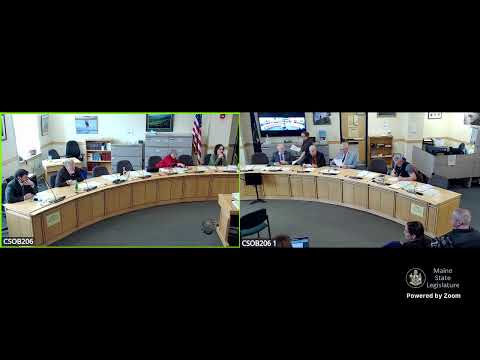
A legislative working group told the Maine House Committee on Inland Fisheries and Wildlife on Monday that enforcement, education and financial support are needed to preserve the state's long-standing tradition of implied permission for public access to private lands.
"Maine now has, 92% of its land privately owned," Deputy Commissioner Jody Sapphire said, arguing that the implied-permission tradition is "a central part of the state's identity" but is under pressure from changing recreational uses and increased visitation. The group's report resulted from a four-meeting process with public comment and participation from landowner and recreation-interest stakeholders.
The working group's top recommendation is to strengthen enforcement. "Consider developing an alternative enforcement system, so creating a model similar to traffic courts for handling recreation-related violations," Nate Webb, a director with the Department of Inland Fisheries and Wildlife, told the committee. Webb and other presenters also urged filling vacancies in the Warden Service, Maine Marine Patrol and Forest Service to improve on-the-ground capacity.
On education and outreach, the group recommended emphasizing that public access to private land is a privilege, increasing awareness of Maine's landowner liability laws, and targeting information for specific user groups such as ATV buyers, town clerks and newer recreationists including ebike and camper-van users. "Landowners do have the authority to prohibit access to their property," Webb said, noting one goal was to clarify options for landowners who wish to restrict individual users rather than close access entirely.
The report called for financial assistance to landowners who bear road and trail maintenance costs that support public access. Webb cited the Golden Road as an example of critical infrastructure that currently receives little state support. The recommendations include a cost-share program for major repairs, a state program for recreation-infrastructure upkeep, and exploring dedicated funding sources such as the Outdoor Heritage Fund to offset maintenance costs.
The working group also proposed statutory changes to address environmental damage they said currently falls to landowners. "Consider establishing environmental-liability protection for landowners," the report says, proposing that recreational users who cause damage be made financially liable, which would require legislative change.
Presenters emphasized process next steps rather than immediate statutory text. The report recommends using the statutorily established Landowners and Land Users Relations Advisory Board to advance the work, with membership adjustments to add nonmotorized recreation representation, North Maine Woods and the ACF off-road program. Webb said the board could prioritize the recommendations and commission a fiscal analysis to quantify costs and funding needs.
Warden Service Colonel Chris McCabe described regulatory complexity around ebikes and said landowners frequently rely on signage at primary entrances to communicate restrictions. "They're actually considered a dirt bike, so they have to be legally registered as a dirt bike," he said of some higher-powered models, which affects whether they can be operated on public ways.
Jeff McCabe of the Office of Outdoor Recreation told the committee many mapping and trail apps rely on crowdsourced data; some platforms work with landowners to correct ownership and access information, but others are less receptive.
Committee members requested a concise, bullet-point draft of proposed advisory-board membership and charge adjustments and discussed charging a revised board to return recommendations next year. Representative Steve Wood offered to sponsor legislation to hold individual recreational users financially responsible for damage if that path is pursued.
The committee acknowledged the volume of recommendations and signaled interest in using the board and a fiscal analysis to shape future bills and budget requests. The report and appendices identify specific membership and statutory language in appendix 4 and recommend targeted next steps rather than immediate legislation.