Get Full Government Meeting Transcripts, Videos, & Alerts Forever!
Get email alerts on the Water And Sewer Rates topic
No spam. Unsubscribe anytime.
Lindsay council adopts water and sewer rate increases after study finds $26M–$40M capital need
Summary
After reviewing a rate study and public comment from large users, Lindsay City Council approved Proposition 218 resolutions to raise water and sewer rates to rebuild aging infrastructure and create reserves, citing long-term deficits in the water enterprise.
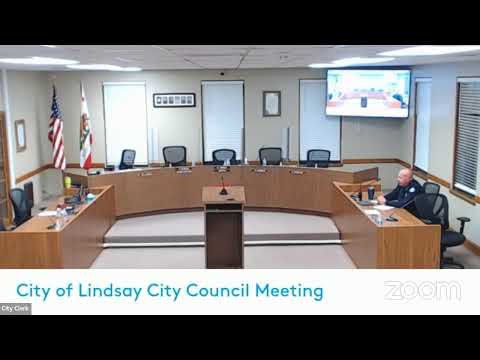
Lindsay — The Lindsay City Council on [date in agenda] voted to adopt new water and sewer rates after receiving a municipal rate study that concluded the city’s water system requires substantial near-term investment and a reserve for emergency and debt-service coverage.
Council members voted to receive the consultant’s final rate study and then adopted separate Proposition 218 resolutions for water and sewer. Council’s action follows staff presentations showing recurring enterprise deficits and an estimate of capital needs the consultant prioritized at roughly $26 million over 10 years (the study noted broader identified needs up to about $40 million).
Why this matters: City staff and the consultant said rate revenue is the primary sustainable funding source for enterprise utilities and that the water fund has run recurring deficits. The consultant told the council the city serves about 3,000 connections (roughly 12,000 residents) and recommended moving to a uniform volumetric rate combined with fixed charges sized by meter capacity to better align costs with usage and capacity needs.
What council and staff said: A city presenter summarized the 2023–24 unaudited actuals and flagged the water fund deficit (about $872,217 reported in the presentation) as a driver for the rate changes. The consultant said reserves are needed to meet debt-service and emergency requirements and described the recommended rate structure as more proportionate and easier to administer.
Public comment and large-customer concerns: Representatives of Lindsay Unified, identified as among the city’s largest customers, supported infrastructure upgrades but said the district learned of the specifics very recently and warned the proposed change would significantly raise the district’s bill. The district’s speaker cited an estimated 97% first-year increase for their account and 176% over five years, and requested additional notice or mitigation options. Council and staff offered to provide meter-specific usage data to allow large customers to model impacts.
Process and protest threshold: Staff said 3,044 accounts would be included in the Proposition 218 protest count; a simple majority (523 written protests) would block adoption. Staff also described the public-notice timeline required by Prop 218 and the opportunity for written protests.
Next steps: The resolutions passed by recorded voice vote as “Aye.” Staff and the consultant said they will provide usage data and continue outreach to large customers and affected organizations to help them adapt to the new structure. The city indicated implementation timing in the staff discussion (staff referenced January implementation timing) and that some rate-structure changes were intended to be phased to moderate immediate bill impacts for certain customer classes.
Sources: Council meeting presentations and consultant remarks; public comment by Lindsay Unified operations representative.
The council moved on to other agenda items after adopting the resolutions.