Get Full Government Meeting Transcripts, Videos, & Alerts Forever!
Get email alerts on the Election Integrity topic
No spam. Unsubscribe anytime.
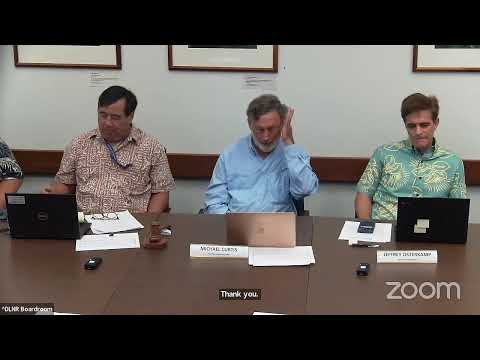
Hawaii residents flood Elections Commission with allegations of mishandling and call for removals; commissioners ask AG to weigh in
Summary
Dozens of people urged the Hawaii Elections Commission to investigate alleged irregularities in recent elections, demanded preservation of records and called for the removal of election officials; commissioners voted to request legal opinions and records from the Office of Elections.
Dozens of residents and election observers pressed the Hawaii Elections Commission during a long public‑testimony session for answers about ballot handling, audits and record preservation, and many urged removal of the state’s top elections official.
The meeting opened for public testimony after the commission approved its minutes. Kalina Campbell, the first speaker, accused the chair of mishandling past proceedings and called for his removal: “I ask that Chair Curtis step down,” she said, citing what she described as improper denial of a motion at a prior meeting. Other testifiers made detailed allegations about missing documentation, chain‑of‑custody gaps and audit practices.
Doug Passnick told the commission that a UIPA request produced 16,960 pages of records used to certify the 2022 general election and that many required observer certifications and equipment logs were missing. "There is no documentation for Dropbox or postal collection chain of custody in any of these records," he said, and cited percentages for missing observer or equipment certifications in audit materials.
Observers and candidates described operational issues at voting service centers and drop boxes, including limited in‑person voting locations on Oʻahu, ballots mailed to deceased residents, and a lack of observers during pick‑ups and signature verification. Jamie Detwiler urged prompt preservation of ballots and drives tied to a pending statutory deadline for audit requests and described a scheduled precinct audit.
Not all testimony was accusatory. Detwiler also commended Office of Elections staff: "I would like to commend the staff of the Office of Elections who have been very helpful and very professional," she said, while still urging greater transparency in specific procedures.
Commission staff and Chief Elections Officer Scott Nago answered some operational questions from the dais. Nago said his office believes it met statutory requirements for certification and audits but commissioners asked him to provide several follow‑ups in writing. When asked about the timeline around certificates issued for the 2022 gubernatorial results, Nago said he did not remember the exact dates and the commission asked for a written response.
After testimony, commissioners moved on a series of advisory items. By roll call, the panel voted to request a written opinion from the Deputy Attorney General on whether the chief elections officer has statutory authority to change the state’s voting method from mail‑in to a single‑day, in‑person, hand‑count system. The commission also voted to request county ballot‑box chain‑of‑custody documentation and asked the chief elections officer to provide written definitions and explanations for several technical matters, including how "ballot images" are created and used in audits.
Several motions failed to gain a majority, including a proposal to require audits that hand‑count all races in a random 10% sample of precincts rather than relying on ballot images. The commission recorded multiple roll calls and asked for written follow‑ups from both the chief elections officer and the Attorney General’s office on statutory interpretation and auditing procedures.
What happens next: the commission directed the AG’s office to provide legal opinions on several questions (including authority to change voting method and ballot constitutionality) and asked Scott Nago and the Office of Elections for written clarifications on preservation timelines, chain‑of‑custody practices and ballot‑image procedures within specified days. The panel did not take administrative action to remove officials during the meeting; several members of the public said they will continue to press for investigations and statutory remedies.