
County outlines opioid response, BEAR team expansion and spending plan from settlements
Get AI-powered insights, summaries, and transcripts
Subscribe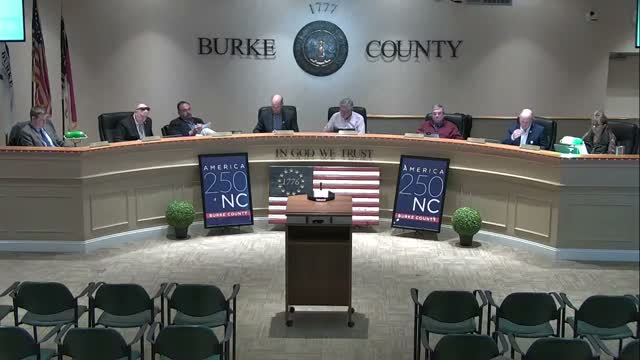
Summary
The county reported progress on its opioid response: 2024 overdose deaths fell to 50 (from 60 in 2023), fiscal‑year allocations total $2.72 million with $458,000 spent and $2.26 million remaining, and several funded programs (BEAR team, recovery court, MOUD outreach, SPARC, SAIOP) are operating with dashboards to track treatment engagement and outcomes.
Katie Samuels presented the opioid response and BEAR team update. She said the county tracked 370 EMS suspected overdose calls in 2025 (January–December) with 93 verified overdoses; 2024 overdose deaths numbered 50, down from 60 in 2023. Samuels said the team has allocated $2,720,000 for strategies in fiscal year 25–26, has spent $458,000 to date and holds $2,260,000 for ongoing and future programming.
Samuels summarized active strategies: the BEAR team (close to full staffing and moving toward 24/7 coverage pending a final hire), High Country Community Health’s low‑barrier MOUD outreach (51 participants linked to treatment), SPARC family‑centered treatment (serving active families), and a SAIOP/SAIOP model being stood up by a local provider pending licensure. She described dashboards and a cash‑flow tool built to pace spending against settlement receipts and to set a minimum reserve.
"We're seeing positive trends," Samuels said, citing fewer overdose deaths and decreased ED visits compared with prior years, and emphasized the goal of increasing treatment engagement and long‑term recovery rather than only preventing fatalities. Commissioners asked about licensure timing, referral pathways and coordination with community paramedics and law enforcement; staff said they would continue to refine referral processes and reporting templates.