Get Full Government Meeting Transcripts, Videos, & Alerts Forever!
Get email alerts on the Evidence topic
No spam. Unsubscribe anytime.
Defense says prosecutor mischaracterized debit card evidence in trafficking trial
Summary
In Commonwealth v. Jean Jeffrey Villeneuve, defense counsel argued the prosecutor's closing repeatedly overstated evidence about a debit/credit card with a misspelled name and that the card was inert and unlinked to the defendant; the Commonwealth said reasonable inferences and other phone/forensic evidence supported its theory.
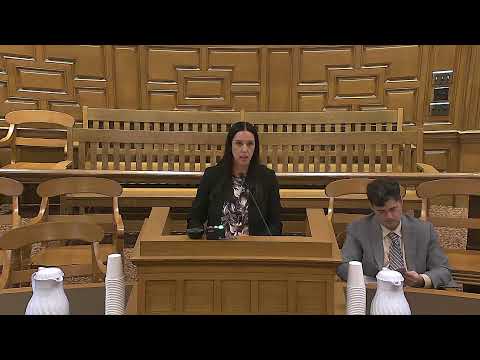
At oral argument in Commonwealth v. Jean Jeffrey Villeneuve, defense counsel Carl Sujecki urged the appeals panel to find reversible error in the prosecutor’s closing for misstatements about a debit/credit card that the defense says had no nexus to the defendant. Sujecki argued the detective’s testimony showed the card’s provenance was uncertain and that the prosecution repeatedly relied on the card as the linchpin of a trafficking theory despite no proof the defendant controlled or used the account.
“The evidence is that this card had nothing,” Sujecki told the court, arguing the card was “inert” and that there was no proof it was active, that funds were withdrawn, or that the defendant accessed the account. He said much of the card-related testimony was secondhand and that the prosecutor’s closing drew impermissible inferences that went to the heart of the trafficking charge.
Assistant Attorney Carolyn Burbine for the Commonwealth responded that prosecutors may ask juries to draw reasonable inferences from circumstantial evidence and that the Commonwealth introduced other linking evidence — phone data, photographs, and testimony — that supported the trafficking theory. Burbine argued the credit-card references were a permissible inference and that jury instructions and the totality of evidence would cure any minor overstatement.
The panel asked about preservation and whether objections had been made at trial; defense counsel said objections were lodged and maintained that the misstatement affected the case’s core. The court took the case under advisement.