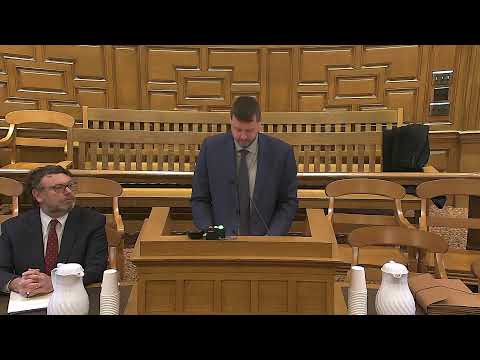
Panel weighs sufficiency challenge and whether detectives on-camera opinion was prejudicial
Loading...
Summary
Appellant Philip Palmer argued the evidence tying him to a shooting was insufficient and that Detective Molinaris testimony that a handgun appeared to be placed in the defendants waistband amounted to an improper lay opinion; the Commonwealth said shell casings and video timing support a reasonable inference and that limiting instructions cured any risk. The case was submitted.
The appeals court heard argument in Commonwealth v. Philip Palmer on whether the trial evidence could sustain a conviction and whether an investigating officers descriptive testimony improperly intruded on the jurys fact-finding. Mary Miles, representing appellant Philip Palmer, argued the video evidence at most shows the defendant in the area and a deliberate adjustment of his waistband, which she said is equally consistent with non-criminal explanations. She said reliance on Detective Molinaris volunteered opinion that abit appears to me that it's someone putting a handgun in their waistband improperly shifted the fact-finding role.
abEven if you accept that the officer has experience, his volunteered opinion risks usurping the jury's own viewing of the video,bb Miles told the panel, urging reversal or relief based on the risk of a miscarriage of justice. The defense emphasized the lack of a clear firearm image, the absence of a demonstrated causal link tying shell casings to the defendant beyond temporal proximity, and argued Molinari's remarks should not be treated as substantive evidence.
Jesse Crane, for the Commonwealth, urged the court to view the record in the light most favorable to the prosecution, stressing the timing of the shot-spotter activation, the defendants presence on the sidewalk at that time, and shell casings found near 92 Gate Street. Crane said the officers testimony was offered to explain why police focused on the Adidas-sweatered individual and that strong limiting instructions were given to the jury.
After extended questioning about what the jury could infer from the video and how the limiting instruction affected the sufficiency analysis, the panel took the case under submission with no immediate decision.