Lifetime Citizen Portal Access — AI Briefings, Alerts & Unlimited Follows
Appeals court hears challenge to Joseph Boucher conviction, defense cites jury confusion over age‑based counts
Loading...
Summary
In Commonwealth v. Joseph Boucher, defense counsel argued the conviction for indecent assault and battery on a child under 14 should be vacated because overlapping testimony about incidents when the victim was 14–15, and an oral amendment to charges, may have confused jurors absent a limiting or unanimity instruction.
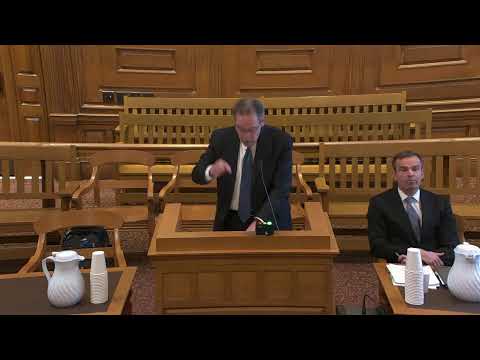
Attorney Jennifer Capone urged the Massachusetts Appeals Court to set aside Joseph Boucher’s conviction for indecent assault and battery on a child under 14, arguing the jury was presented with overlapping evidence that included touching when the complainant was 14 and after her fifteenth birthday and therefore may have been unable to confine its guilty verdict to the events that occurred while the victim was under 14. "Mr. Boucher's conviction ... creates a risk that there has been a substantial risk of miscarriage of justice in this case," Capone told the panel.
Capone explained the counts were amended during pretrial and that evidence at trial described continuous conduct across separate time periods. She said the jury was shown two different sets of facts — episodes when the victim was younger and later episodes after she moved back in at age 14 — and that defense counsel did not receive or request a specific unanimity or limiting instruction that would have required jurors to agree on which discrete episode supported a guilty verdict.
Norfolk County assistant district attorney Laura McLaughlin responded that the trial judge acted within his discretion when admitting evidence of similar uncharged misconduct and that the jury instructions and verdict slips accurately delineated the counts and ages. McLaughlin told the court the jury is presumed to follow proper instructions and that failure to request a limiting instruction typically waives the claim on appeal. "The final instructions ... were correct," she said, urging the court to affirm the conviction.
The panel questioned whether a transcription anomaly showing a reference to 'under 15' on the record might reflect a clerical or transcription error; the Commonwealth said it would review the transcript with the court reporter but maintained the verdict slips and instructions supported the trial court’s conclusion. Both sides cited case law and the court probed why counsel might have chosen not to ask for a limiting instruction at trial.
The matter was submitted to the court for decision. No oral rulings were made during argument.