
Appeals court weighs Batson-style challenge after trial judge found peremptory strike not genuine
Get AI-powered insights, summaries, and transcripts
Sign Up Free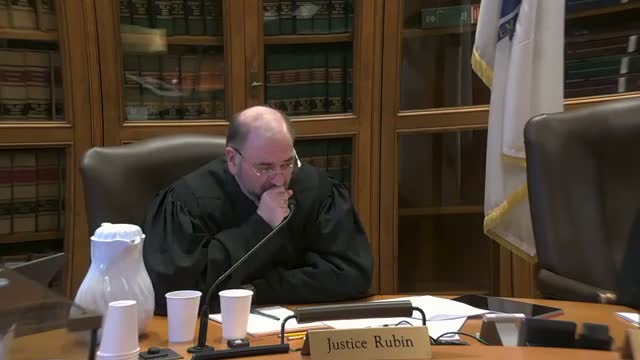
Summary
In Commonwealth v. Zapata, defense counsel argued the trial judge improperly applied the genuineness prong and that Gonzalez/Roach precedent requires reversal; the Commonwealth said the judge’s demeanor-based credibility finding was permissible and urged deference. The case was submitted.
Attorney William Driscoll told the three-justice panel the trial court used an inadequate test when it sustained a challenge to a peremptory strike, relying on a finding the reason was not ‘genuine’ without adequate explanation. Driscoll argued Gonzales and Roach require a searching analysis into whether the articulated reason for a strike was a pretext for discrimination and that the trial judge’s statements and record should have led to reversal.
The Commonwealth, represented by Kyra Kosh, countered that the trial judge viewed demeanor and answers and was entitled to reject the defense explanation as pretext. Kosh emphasized precedent that appellate courts defer to trial judges’ credibility assessments and noted the trial judge’s concern that multiple peremptory strikes had targeted white female jurors in the case.
Justices focused on whether the judge’s notes about remoteness of a juror’s volunteer experience and statements that the juror ‘appeared impartial’ met the standard for a finding of non-genuineness and whether such a ruling requires a new trial as a structural error. After extended exchange about precedent and the scope of review, the panel took the matter under advisement.