Get Full Government Meeting Transcripts, Videos, & Alerts Forever!
Get email alerts on the Rulemaking Science Standard topic
No spam. Unsubscribe anytime.
Committee backs rulemaking bill requiring 'sound science' standard despite opposition from public-health and environmental groups
Summary
Senate Bill 234, which would require administrative rules affecting environmental health and waste management be founded on 'sound science' and allow rules-review delay, received a favorable committee recommendation despite opposition from health and environmental advocates who warned it would curtail state authority to set protections above federal minimums.
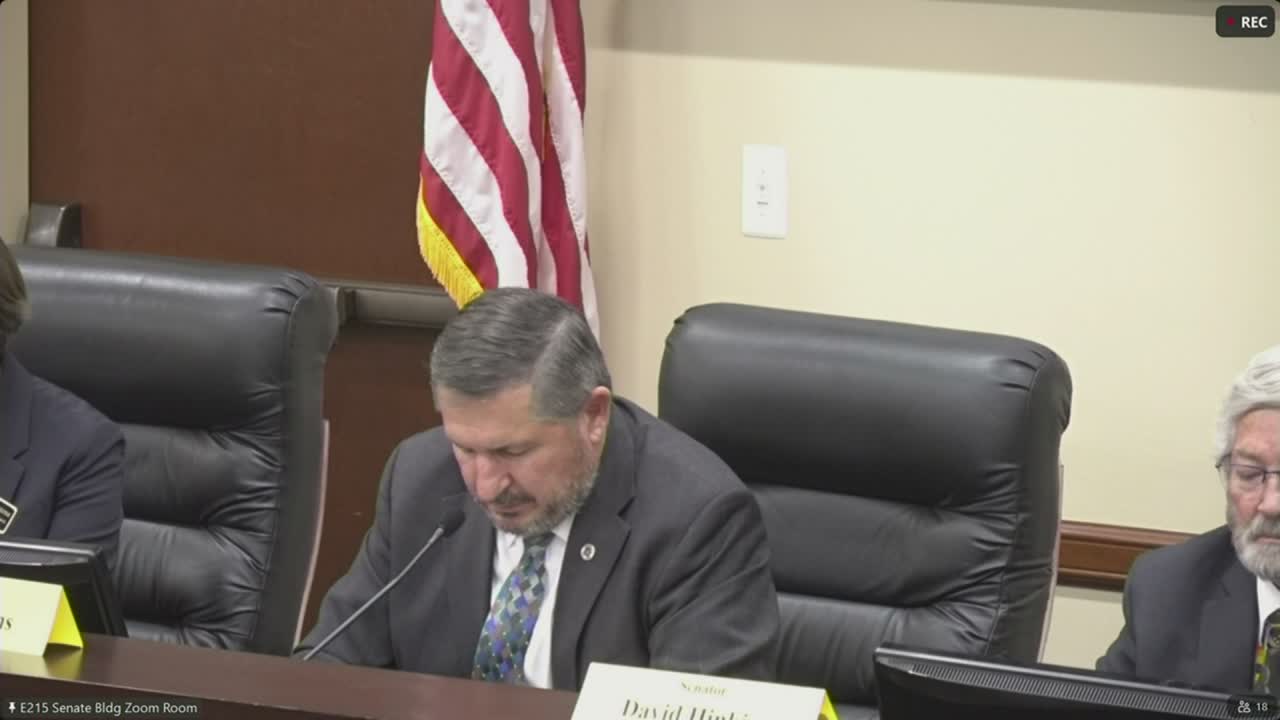
The Senate Natural Resources committee favorably recommended Senate Bill 234, legislation that would require administrative rules in certain environmental and public-health areas to be founded on the "best available science" and give the Rules Review and General Oversight Committee the ability to delay implementation of some rules.
Proponents, including a remote witness identified as Mark Behrens, said the bill imports federal concepts of scientific weight-of-evidence and provides predictability and flexibility for regulators. Behrens cited similar state-level actions and argued the bill preserves the ability for emergency rules and does not apply when the state is enforcing federal law.
Environmental and public-health groups urged caution. Carmen Valdez of Heal Utah said the bill "ties Utah's rulemaking to federal standards at a time when federal agencies are rolling back on environmental protections" and cautioned that the bill would prevent the state from adopting stronger protections tailored to local conditions. Abby Nissler of the Sierra Club argued the bill's definition of "manifest bodily harm" — which requires presently existing and diagnosable physical disease or injury — would exclude increased disease risk and long-term harms and therefore raise the legal and scientific bar for preventive action.
Committee discussion referenced the need for a scientific basis in rulemaking and acknowledged objections from environmental stakeholders. A motion to favorably recommend SB 234 passed (committee recorded a 3–1 vote). The sponsor and proponents said they will continue conversations with DEQ and other agencies as the bill moves forward.
What happens next: SB 234 will proceed to the full Senate with a favorable committee recommendation; stakeholders asked for amendments to preserve the state’s ability to act beyond federal minimums and to ensure definitions do not prevent preventive public-health measures.