
House panel unanimously backs ban on post‑employment noncompete agreements for health care workers
Get AI-powered insights, summaries, and transcripts
Subscribe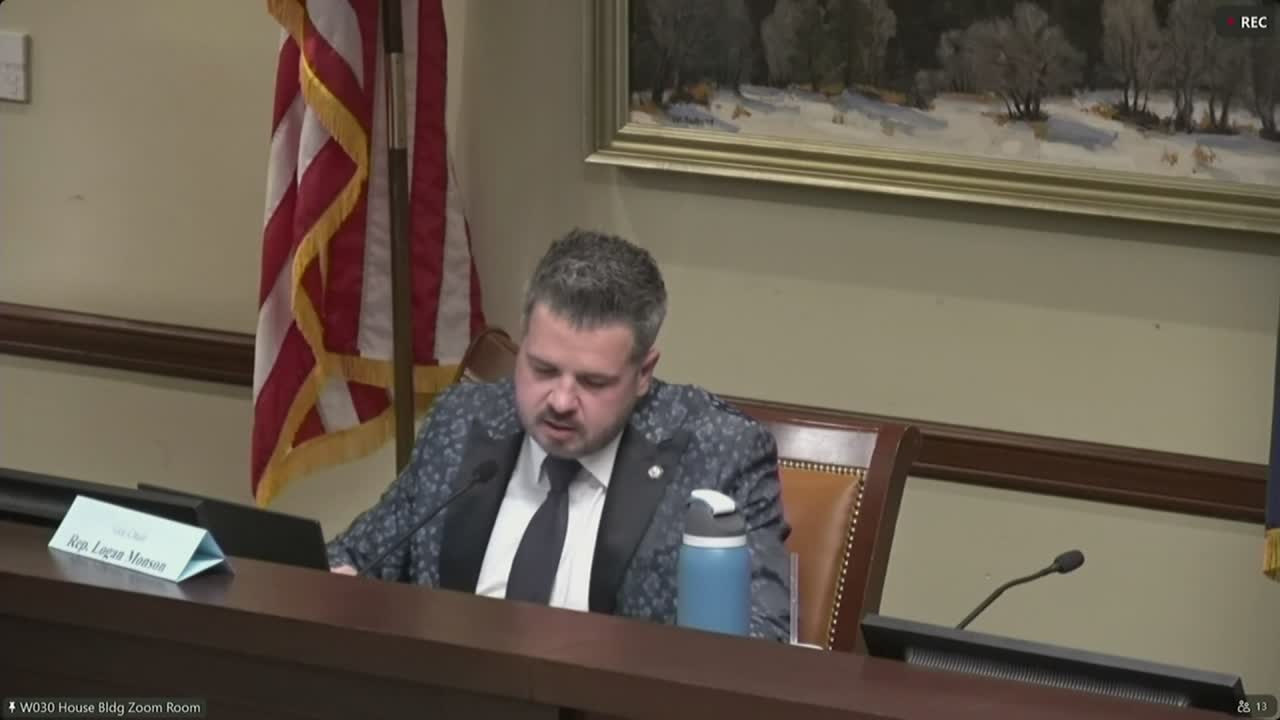
Summary
Sub 2 to HB 270, which would prohibit post‑employment noncompete clauses for health care professionals and protect patient continuity, was adopted and given a unanimous favorable recommendation; supporters included statewide physician groups, residency leaders and patients who said noncompetes have driven providers out of Utah.
Representative Hall told the committee HB 270 would bar enforcement of post‑employment noncompete agreements against licensed health care professionals, preserve other reasonable employer protections (such as repayment of training costs and confidentiality clauses), and protect patients' continuity of care.
Mary Ann Martindale of the Utah Academy of Family Physicians said noncompetes vary widely in scope and duration and can force providers to leave the state. "My non‑compete effectively encompassed the entire Salt Lake Valley ... next month I'm moving to Vancouver, Washington, leaving behind over 1,000 patients," she said, describing the patient‑care consequences.
Kurt Bramble testified about a personal medical consequence: after open‑heart surgery, he said his longstanding cardiologist could not communicate with him for months because attorneys had told that cardiology team they could have no patient contact, leaving him without timely follow‑up. "There was absolutely no access to cardiology follow‑up for 9 months," Bramble said.
Multiple professional groups—Utah Medical Association, Utah Academy of Family Physicians, Utah Association for Marriage and Family Therapy, Utah Mental Health Counselors Association, nurse practitioner groups and others—testified in support, arguing noncompetes drive away providers, hamper recruitment of trainees and interns, and disrupt continuity of care. Brandon Hall and others said noncompetes have caused clinicians to leave Utah, reducing patient access.
Representative Eliason moved to adopt Sub 2; the committee adopted the substitute and later voted unanimously to recommend HB 270 with a favorable recommendation. Representative Fitzsimano then moved to place the substitute on the consent calendar, and the committee approved that motion as well.
The committee record shows broad, bipartisan support in the hearing and no recorded opposition; sponsors said the change is not retroactive and leaves other employer protections intact.