Get Full Government Meeting Transcripts, Videos, & Alerts Forever!
Get email alerts on the Utilities topic
No spam. Unsubscribe anytime.
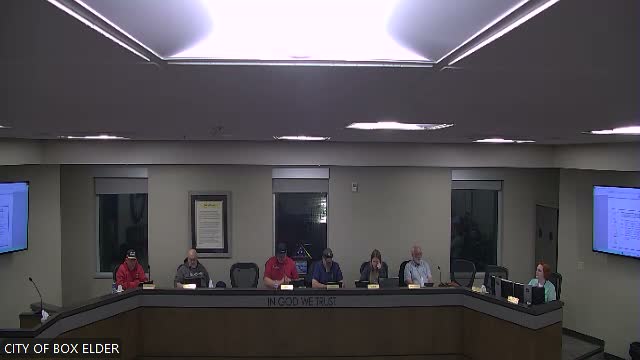
Planning commission reviews utilities chapter: water modeling, sewer trunks and PFAS investigation
Summary
Staff presented Chapter 6 updates describing a new water model, a planned storage-tank replacement, trunk sewer projects (1416, Cheyenne/Westgate) and a master stormwater plan; Scott Lang and Josh Sadler said the nearby base is funding PFAS-related connections and investigations while city water wells remain unaffected.
City engineering staff presented Chapter 6 (Public Utility Infrastructure) and described studies and projects intended to support growth.
Scott Lang said staff completed a water-modeling effort and plan to translate that work into a facility plan to determine pressures, storage needs and future well production. Josh Sadler said the utility team is expanding (over 80 miles of water/wastewater mains, roughly 700 hydrants and more than 1,000 valves) and noted planned upgrades including a tank replacement. Sadler reported the tank currently listed at 640,000 gallons (Tank 4) will be replaced this year with a structure roughly triple that capacity.
On sewer, Lang described major trunk projects: excavation and installation along Highway 1416 and planned bids for Cheyenne and Westgate sewer work to enable development in the southern part of town. He said a sanitary‑sewer model is being prepared and that many construction dates depend on funding.
Commissioners asked about PFAS contamination noted near the base. Lang said the base is funding work to connect properties with contaminated wells to city water and is leading subsequent rounds of investigation; he said city water wells draw from the deep Madison aquifer and “our city water is not affected.” Lang summarized the source locally as historical use of firefighting foam at the base and described PFAS as persistent at microgram‑per‑liter (parts per billion) levels.
On stormwater, staff said the city has relied on project‑by‑project ponds but is pursuing a master stormwater plan to identify regional needs and to strengthen ordinances so post‑development peak flows do not exceed pre‑development flows. The commission suggested stronger labeling of acronyms and capitalization fixes in the draft and requested updated numeric values where growth has already changed earlier estimates.
No formal regulatory actions were taken; staff will update numeric tables, clarify acronyms and advance facility modeling to support grant applications and trunk-line design.