Council approves Saddle Creek Marketplace rezones and $9M TIF after heated neighborhood debate
Summary
The Omaha City Council approved rezoning and a $9,005,590 tax‑increment financing request for the multi‑phase Saddle Creek Marketplace redevelopment despite objections from nearby residents and questions about affordability and neighborhood outreach.
The Omaha City Council voted to approve rezoning, overlay changes and a $9,005,590 tax‑increment financing (TIF) request for the Saddle Creek Marketplace redevelopment, a five‑phase project that developers said will bring more than $100 million in private investment and 223 market‑rate housing units to the Saddle Creek corridor.
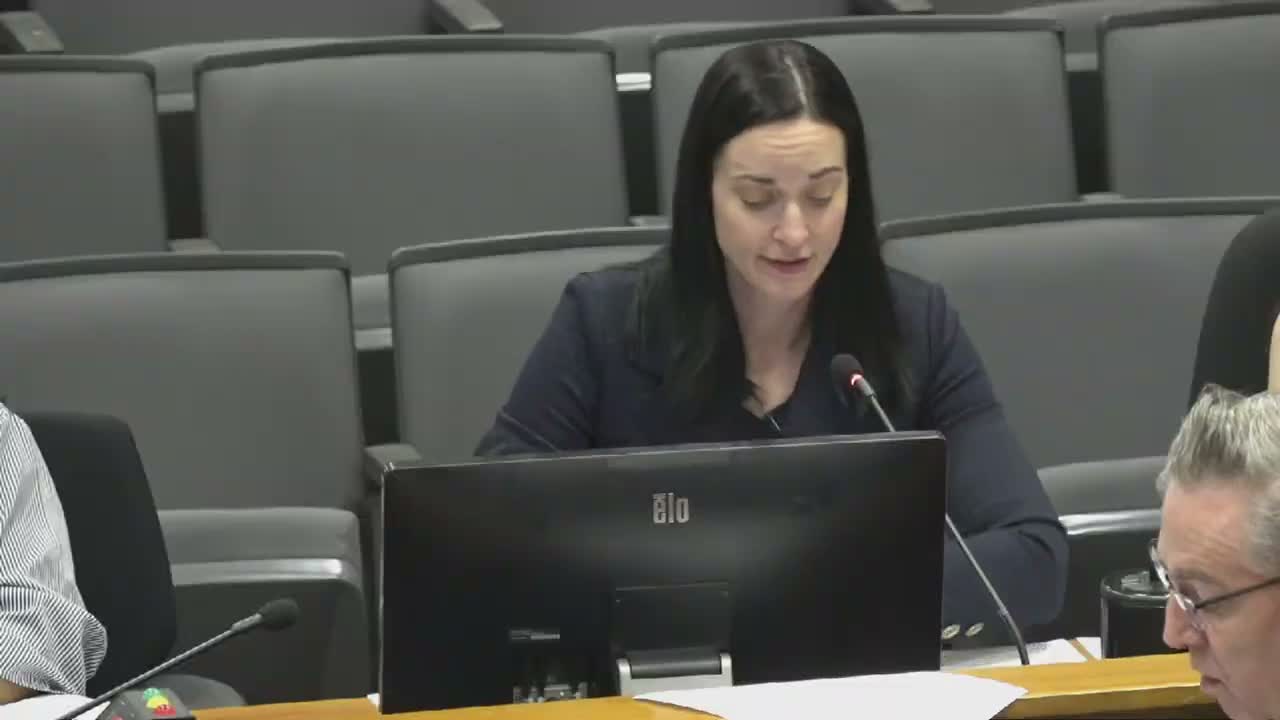
Developer counsel Robert (presenting for the applicant) told the council the project is intended to replace aging commercial property and add a 4‑story, 138‑unit apartment building in phase one alongside two levels of covered parking and about 60,000 square feet of anchor retail. "The total TIF request that we're asking for today is $9,000,000," the project presentation stated, and the team said additional EEA funding of roughly $12.5 million will be requested. The developer said the deal has a thin return and "doesn't happen without the EEA and the TIF funding."
Neighbors and community groups raised concerns about process, the lack of affordable units in the initial plan and potential displacement of locally owned businesses. Jessica McCallie, a neighborhood representative, said the review "feels very rushed" and questioned whether neighborhood input would be meaningfully incorporated into future design. Multiple speakers pressed the developer on commitments to retain existing tenants; the developer said he was not "driving out Family Fare" and that some existing leases and building conditions make long‑term retention difficult.
Council members probed project details: Don Seaton of City Planning reiterated that the TIF report submitted to council estimated a TIF amount of $9,005,590 and that planning and the TIF committee had reviewed the project. Council member Festersen asked for confirmation the developer will work with tenants and neighborhood stakeholders during the redevelopment agreement phase; the developer said he would and pointed to prior projects where designs were revised after council and neighborhood feedback.
Affordable‑housing advocates and several council members urged stronger requirements or incentives for including below‑market units. Council member Festersen acknowledged the project currently lacks dedicated affordable housing but said the project's finances produced a low projected ROI — the applicant estimated a 3–4% return — and described the redevelopment agreement as the vehicle to further negotiate details. Several council members said they intend to pursue policy changes to encourage more affordable units in future TIF‑backed multifamily projects.
After extended public comment and council discussion, members voted to approve the rezoning, overlay amendments and the TIF request. The developer said phases one and two could start as soon as this spring, with later phases stretching toward 2030. The council set expectations that the redevelopment agreement, which returns to council for approval, will contain more detailed commitments on design, pedestrian connections, landscaping and tenant outreach.