Get Full Government Meeting Transcripts, Videos, & Alerts Forever!
Get email alerts on the Signs Zoning topic
No spam. Unsubscribe anytime.
Princeton council delays vote on ban of electronic messaging signs on Main Street
Summary
After a presentation from the Planning and Zoning Commission, the council tabled an ordinance that would bar replacement of electronic messaging signs on the Main Street corridor to allow for more public input and business outreach; the item will return at the July 1 meeting.
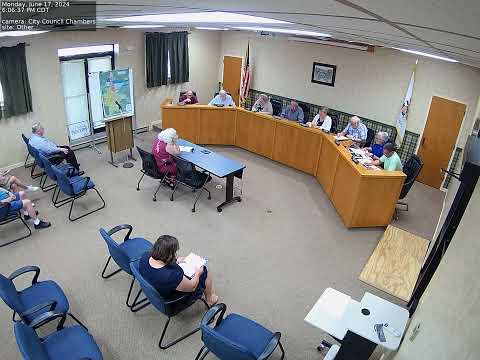
Princeton’s City Council on an initial reading moved to postpone consideration of an ordinance that would prohibit electronic messaging signs along the city’s Main Street corridor until its July 1 meeting.
Pete, representing the Planning and Zoning Commission, told the council the recommendation stems from the 2016 comprehensive plan and the Main Street revitalization plan, which the commission said view electronic messaging signs as detracting from Main Street’s historic character. “Electronic messaging signs are becoming more popular. They’re everywhere in town, really,” Pete said, explaining the commission proposes grandfathering existing signs but barring replacements if a sign becomes damaged or inoperable.
Council members voiced mixed views during the discussion. Some members urged more outreach to businesses and bank officials to assess economic impacts and to explore technical limits such as size and brightness to reduce glare; others emphasized preserving Main Street’s historic feel. One council member said the public and business community had little time to review the proposal and supported tabling the issue to gather feedback.
The council voted to table the ordinance to the first meeting in July so staff can solicit community comment and consider potential middle‑ground standards. The ordinance remains at first reading; a formal public hearing or additional council discussion is expected when it returns to the docket.