Get Full Government Meeting Transcripts, Videos, & Alerts Forever!
Get email alerts on the Open Public Meetings topic
No spam. Unsubscribe anytime.
Annual harassment and Open Public Meetings Act training reviews reporting paths and meeting rules
Summary
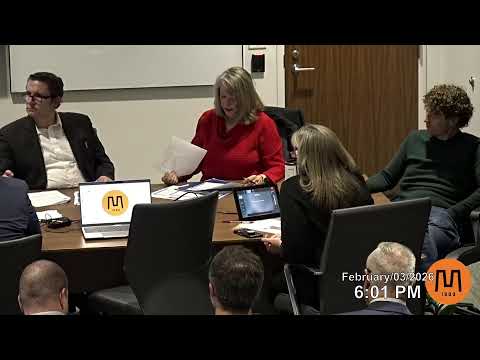
PO Critchlow led the council through required annual harassment and Open Public Meetings Act training, outlining the anti‑harassment standard (council rule 9), reporting procedures and prohibitions on three‑member predetermination outside public meetings.
The council received the annual harassment and Open Public Meetings Act (OPMA) training from PO Critchlow, which covered required council‑level anti‑harassment standards and the procedure for handling complaints.
Critchlow reviewed council Rule 9, which applies to conduct by council members toward other members, staff and the public and covers discrimination and intimidation. He emphasized the recipient’s view of whether conduct was unwelcome and outlined examples of conduct that can create a hostile environment. Reporting differs depending on the subject: allegations involving staff or appointees should be reported to the mayor; allegations involving council staff should be reported to the council chair, who will obtain outside assistance as needed. He noted corrective action will depend on the gravity of any violation.
On OPMA topics, the presentation stressed that three or more council members acting together outside a properly noticed meeting may unlawfully predetermine action and that regular meetings require at least 24‑hour public notice of agenda items. The training also covered closed‑session rules (two‑thirds vote to close when required grounds apply), electronic meeting conditions and public‑records implications (records created or used for city business may be subject to public records requests). The presenter cautioned that closed‑session violations carry higher remedies and urged transparency.
Council members asked several procedural questions about meeting notices, special and emergency meetings, whether nonresidents may speak during citizen comment, and how closed‑session subject lines should be framed. Critchlow advised specifying positions where possible when calling closed sessions and reiterated the importance of avoiding informal gatherings of a quorum to discuss matters that may come before the council.
No action was required; the training satisfied the annual refresher described by council rule and state law.