Get Full Government Meeting Transcripts, Videos, & Alerts Forever!
Get email alerts on the Administration Legal topic
No spam. Unsubscribe anytime.
City attorney outlines building a defensible administrative record; staff updates development‑code timeline
Summary
City Attorney’s office counsel reviewed why planning decisions require a comprehensive administrative record to withstand legal challenges and how commissioners should handle ex‑parte communications; staff also outlined the development code update schedule with a mid‑May public review draft and Cal Poly outreach for the Date Palm Corridor.
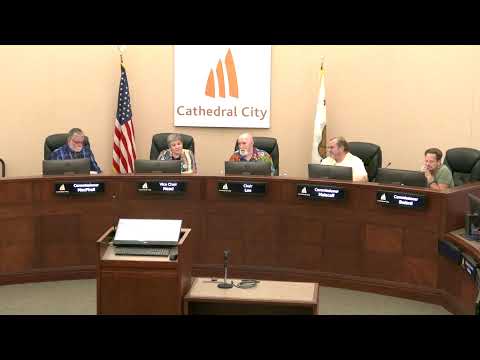
Stephanie Pierce of the City Attorney’s office told the Planning Commission that the primary purpose of an administrative record is to support agency decisions in case of legal challenges and recommended best practices for hearings, including documenting findings, preserving non‑privileged exhibits, and disclosing ex‑parte communications.
Pierce explained standards of review used by courts (substantial evidence and nexus between conditions and legitimate public purposes) and cautioned commissioners to rely on the administrative record for factual findings rather than unsourced public assertions on the dais. She said that when members of the public produce new facts during a hearing that could affect a finding, staff should be asked to incorporate and analyze that evidence into the record rather than the commission treating the oral statement as dispositive.
Staff also briefed the commission on the development code update: eight sections total, three returned for revision (administration, permits/procedures, zoning), the commission will review subdivisions and PUD sections on Feb. 18, and a mid‑May public review draft is targeted. Cal Poly San Luis Obispo students are preparing outreach findings and design suggestions for the Date Palm Corridor that staff noted will be included in future materials.