Get Full Government Meeting Transcripts, Videos, & Alerts Forever!
Get email alerts on the Public Works Facility topic
No spam. Unsubscribe anytime.
Town meeting advances $1.2 million public works facility to March ballot
Summary
Town administrators and residents backed Article 3, a proposal to raise $1.2 million to build a new 12,000‑square‑foot heated public works facility at 98 Pine Street to protect equipment, improve safety and reduce storm response delays; the body voted to place the article on the March ballot as written.
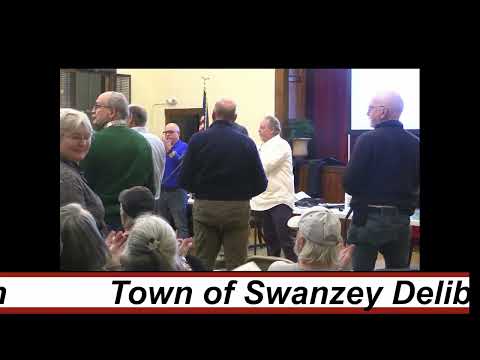
Town Administrator Laurie Rodiola presented Article 3 at the first session of West Swanzey’s annual deliberative meeting, asking voters to approve $1,200,000 to design and construct a new public works facility at 98 Pine Street. Rodiola said the building would be a manufactured steel structure of about 12,000 square feet and would address safety, code and operational shortfalls in the existing garage. "The total project cost is $1,200,000," Rodiola said, adding that $150,000 would come from the public works expendable trust fund and $1,050,000 would be financed through bonds and notes. The article, she said, requires a three‑fifths ballot vote to pass.
Supporters from the select board, the capital improvements committee and several residents described routine operational problems the department now faces: large plow trucks that do not fit inside the current bays when plows are attached, equipment stored outdoors that accelerates wear, and long prep times before storms. Selectman Jimmy (first name used in the record) and resident Julian Ward warned that crews have had to install plows in wind and darkness, creating potential injury risks and slowing response times. Fleet professional Steve Russell, who said he spent 12 years running Keene’s fleet maintenance, urged voters to protect several million dollars’ worth of town equipment by housing it indoors.
Several residents questioned cost and procurement. Resident Dan LeClaire asked whether the project had gone out to competitive bid and whether lower‑cost alternatives—such as an open‑sided storage 'pole barn'—had been considered. Rodiola and DPW staff said the project budget is based on contractor estimates and vendor quotes and that, if the article moves forward, separate bidding would occur for concrete and site work while much site work would be performed by DPW staff.
After more testimony and questions, the moderator called for a voice vote to move the article to the March ballot as written. The assembly answered 'Aye' and the moderator acknowledged the article would appear on the ballot; members then moved and passed a motion to limit reconsideration of further discussion on the article.
What’s next: Article 3 will appear on the official March ballot in a form requiring a three‑fifths approval to authorize the bond/notes; if approved by voters, the select board would manage financing and seek state or federal aid as authorized by the article.