Butte-Silver Bow ad hoc committee backs one-year due‑diligence extension for proposed Sabey data center; council to decide
Loading...
Summary
An ad hoc committee that has been vetting a proposed Sabey data center recommended a one-year due‑diligence extension to the council while staff compile additional information on taxes, jobs, permitting and infrastructure; the council is scheduled to consider the extension at its next meeting.
Butte‑Silver Bow’s Montana Connections ad hoc committee recommended a one‑year due‑diligence extension for the proposed Sabey data center project so the county and the company can finish technical reviews and public questions ahead of a council vote.
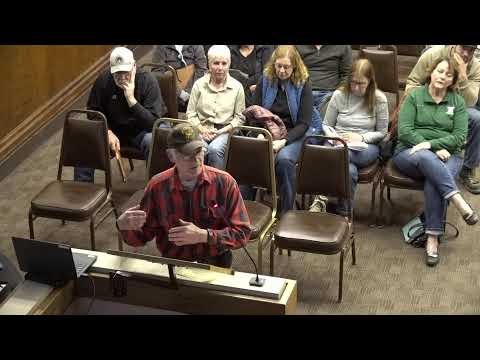
The recommendation, discussed repeatedly during the committee’s meeting, reflects the ad hoc group’s effort to gather data on four principal topics committee members identified as decisive: power, taxes, jobs and water. Committee members said extensions of purchase‑and‑sale agreements are common and can range from six months to more than two years depending on project complexity; the Montana Connections board approved a recommended extension and will forward it to the council for consideration.
Why it matters: supporters argued an extension gives staff time to assemble a single, public slide deck of technical answers and permits so the council and residents can make an informed decision. Opponents and several public commenters warned that long, rolling extensions reduce leverage and risk tying up parcels and infrastructure capacity for years without a final decision.
What the committee discussed: staff and board members described the tax‑increment structure that applies in the Montana Connections targeted economic development district (TED). They said the TED captures any increment in assessed value above a base and that those incremental revenues are typically used to fund infrastructure and economic‑development priorities inside the district; the county could, by remittance agreement, return some or all of that increment to other taxing jurisdictions sooner if conditions in the agreement are met. Committee members noted the TED currently has a statutory sunset date discussed in the meeting (referred to as 2038 by one participant) and cautioned that captured increment does not automatically flow to municipal services unless the governing bodies agree.
On jobs and tax claims, presenters cited a Quincy, Washington, case study where six data centers coincided with large assessed‑value increases and local investments such as a new high school and medical center. Presenters and residents emphasized that Quincy’s outcomes reflect multiple centers, local agreements and different incentive structures, and several speakers asked for a precise, site‑specific breakdown of job counts (direct versus secondary), job quality, and expected tax revenue for the single Butte site rather than broader comparisons.
What happens next: the committee consolidated slide material and answers to public questions for a presentation to the council. The council will consider the ad hoc board’s recommended due‑diligence extension at its next meeting; if the council rejects the extension, the committee warned, the review and due diligence could halt pending the sale process.
At the meeting’s close, the chair moved to dismiss the committee and confirmed that members will continue to collect and post answers for the public and that the ad hoc forum will remain available to take new questions as the project advances.