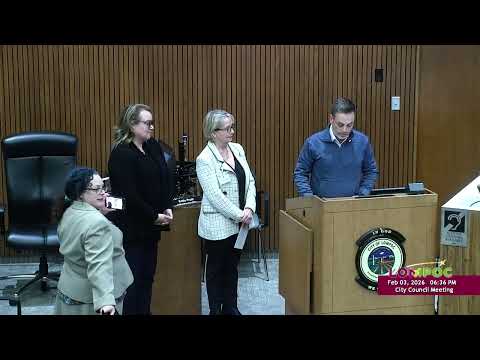
Lompoc council sends street‑repair sales tax to June ballot after 4‑1 vote
Loading...
Summary
The Lompoc City Council voted to place a special sales tax measure for street repair and maintenance on the June 2026 ballot, adopted final ballot wording and prohibited rebuttal arguments; councilors also designated two members to prepare the official argument in favor.
The Lompoc City Council voted to place a special transaction and use tax for street repair and maintenance on the June 2, 2026 ballot after adopting the required ordinance on a 4‑1 vote.
The measure, as drafted in the ordinance and resolution adopted by the council, would dedicate the proceeds specifically to repair and maintenance of city streets. The council chose the staff’s Option 1 ballot question wording and decided not to allow rebuttal arguments to be printed in the voter guide. The council designated Mayor James Mosby and Council member Vega to prepare the official argument in favor of the measure for publication in voter materials.
City Attorney reported the vote was the final procedural step required to submit the special tax to voters and explained the council’s options for ballot language and arguments. “This is the very last step, to put the special sales tax on the ballot for June,” the attorney told the council during the report on the ordinance and resolution.
Supporters said placing a local, dedicated measure offers local control over street funds. One council member framed the decision as “local control — it’s our money and it’s our roads,” arguing a city measure would ensure revenues and spending remain under council oversight rather than being collected and administered by the county.
Opponents warned the specific tax reduces flexibility for future councils and urged broader consideration of competing demands on the general fund. During debate a councilor said the city had once pursued a general tax (which requires only a majority vote) that could have provided more flexibility for public safety and other priorities, and said a special tax could leave the city vulnerable if other needs later outpaced street needs.
The council’s action now places the measure on the consolidated June ballot; campaign filings and voter‑guide materials will be prepared under state election rules. The council’s decisions included removing rebuttal arguments from the voter guide and approving the procedural language required to request the county registrar conduct the consolidated election.
What happens next: the county will administer the election if the resolution is accepted by the registrar; the council and any interested parties may submit arguments for or against the measure in the voter pamphlet under the city’s stated rules.