Get Full Government Meeting Transcripts, Videos, & Alerts Forever!
Get email alerts on the Education Policy topic
No spam. Unsubscribe anytime.
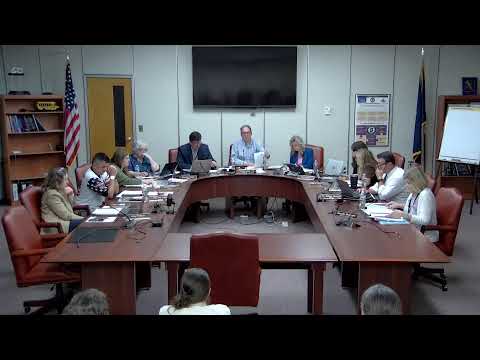
Sayville board grapples with state 'bell‑to‑bell' cell‑phone ban and local implementation
Summary
Board members and administrators discussed New York State’s new ‘bell‑to‑bell’ cell‑phone ban, required to be in place by Aug. 1, raising questions about storage, staffing, exceptions for medical/IEP needs, reporting, and available state grants to offset equipment costs.
Trustees and administrators discussed details and implementation challenges of a state‑mandated 'bell‑to‑bell' cellphone ban, which the state tied to the 2025 budget and ordered to be implemented by Aug. 1. District staff said the law requires students to hand over phones upon arrival and prohibits access during the school day except for specified exceptions (medical reasons, IEP accommodations, or caregiver responsibilities).
District staff (Amy Dimiola and building administrators) said the state has allocated a $12 million pool to help schools with equipment and implementation costs, but the district does not yet know how much Sayville will receive or how the reimbursement process will work. Administrators described a menu of possible storage and tracking options (pouches, lockers, staffed collection points) and noted concerns about secure storage, staffing needs, and safety: trustees urged consultation with local fire officials about storing multiple lithium‑ion batteries in a single location.
Several board members said they supported removing phones from classroom use but resented the appearance of a one‑size‑fits‑all mandate and asked for clear guidance on enforcement, reporting requirements, and whether the state will cover implementation costs. District administrators said they will solicit stakeholder feedback (teachers, parents, bargaining units, students) and post the district’s policy and procedures online when ready. The law also requires an annual, de‑identified report on any disciplinary delinquencies and their outcomes beginning Sept. 1, 2026, to monitor for disproportionate impact across demographics.