Get Full Government Meeting Transcripts, Videos, & Alerts Forever!
Get email alerts on the Homelessness topic
No spam. Unsubscribe anytime.
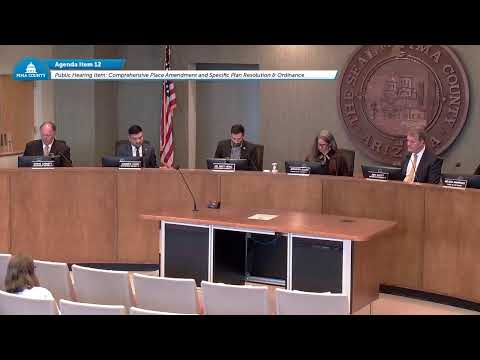
Pima County board adopts '1 Pima' plan to coordinate homelessness, treatment and neighborhood reinvestment
Summary
The Board approved the 1 Pima initiative (4–1) to consolidate existing county programs addressing homelessness, expand treatment and accelerate loop cleanup; supervisors pressed for fiscal analysis and clarification of opioid-settlement funding before final budget allocations.
The Pima County Board of Supervisors voted Nov. 18 to adopt the "1 Pima" initiative, a coordinated plan that packages existing county-funded homelessness services, treatment expansions and neighborhood reinvestment under a single framework.
Supervisor Ramon Cano said the plan "brings together the critical work that we already fund, not new spending," and outlined components that include accelerating a $750,000 wash-and-trail cleanup along the Chuck Huckelberry Loop, expanding transition-center operations from five to seven days, maintaining more than $14 million in public-health and overdose-prevention programs, and moving toward a regional shelter-capacity platform. Cano proposed technical amendments to reduce a neighborhood reinvestment line item and to remove language suggesting up to $2 million for reinvestment pending further board consideration.
Supervisor John Christie pressed for an analysis of whether opioid-settlement dollars could legally pay for elements of the initiative and asked for projections of ongoing costs and the plan's impact on the general fund. County Administrator Jan Lesher said staff will return with the analyses embedded in the plan's implementation timeline and that many of the current-year items are already budgeted; she acknowledged that not every element will be covered by opioid funds and that next-year budget requests will be brought back to the board.
The board adopted the initiative as amended by voice vote, 4–1, with Christie opposed. Supporters framed the plan as a way to knit together existing programs — such as the DTAP and STEPS diversion programs — and to provide a clearer regional strategy that includes neighborhood reinvestment activity near county treatment facilities and the jail.
Board members asked staff to return with detailed fiscal projections and coordination specifics with the City of Tucson during the joint meeting later in the day.