Orem weighs how to treat short-term rentals after state law shifts; neighborhood commission urges keeping ban
Loading...
Summary
City staff presented a draft licensing approach after a state law change gave cities more regulatory authority. The Neighborhood Advisory Commission recommended keeping the current prohibition; STR hosts called for clear, fair rules and residents pressed for stronger enforcement and protections.
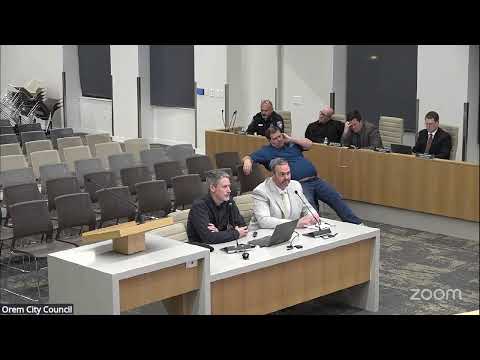
City staff on Tuesday gave Orem City Council a comprehensive briefing on short-term rentals, explaining that recent changes in state law now allow the city to consider regulating properties rented for fewer than 30 days rather than relying only on complaint-driven enforcement.
The staff presentation said Orem’s land-use table currently does not list transient lodging as a permitted use in most residential zones. Staff outlined a working draft ordinance that would require an annual license with a fee, a parking plan and noise/response plan, fire and building inspections, and a two-tier approach that treats owner-occupied and non‑owner‑occupied rentals differently. The draft would limit rentals to overnight stays only and prohibit use of a licensed STR for weddings, corporate events or other gatherings beyond lodging.
Why it matters: the change in Utah law means municipalities can now examine listings on platforms and require licensing, which shifts the city from reactive enforcement to an affirmative regulatory role. That raises trade-offs between neighborhood stability and homeowner flexibility, the staff presentation said.
The Neighborhood Advisory Commission, represented at the work session by Amy Green and Reid Farsworth, told the council the commission’s majority does not support legalizing STRs. “These impacts directly affect the quality of life for the nearby residents,” Green said, citing recurring complaints including noise, parking congestion, trash and enforcement burdens on city staff. The commission also questioned whether legalization would yield citywide benefits and flagged examples of other jurisdictions later rolling back permissive policies.
Multiple people representing STR hosts and operators urged the council to adopt a regulated licensing system rather than an outright ban. “I want to comply,” said Sherry Solberg, who described seeking guidance from city staff before operating and said she relied on that information when investing in and renovating her home. Professional managers also cautioned against a ban; Jeff Harris of Kasago said bans often trigger protracted legal fights and recommended a layered, enforceable framework.
Council members asked for more data before choosing a path, including a clearer count of platform listings and the share that are owner‑occupied, a tally of enforcement costs and the transient room tax receipts tied to STRs. Staff said platform‑scrape estimates put listings in the low hundreds but that the data have not been segmented by owner-occupied status. Staff offered to compile a packet of previous public comments, survey responses and legal history to inform the council’s next steps.
What’s next: staff asked for direction from the council on whether to (1) preserve and clarify a prohibition, (2) proceed to draft a licensing ordinance that starts conservatively, or (3) pursue an alternative path such as an owner‑occupied-only allowance or an overlay zone. Council members requested additional data and follow-up materials before taking a formal vote on an ordinance.