Get Full Government Meeting Transcripts, Videos, & Alerts Forever!
Get email alerts on the Public Safety topic
No spam. Unsubscribe anytime.
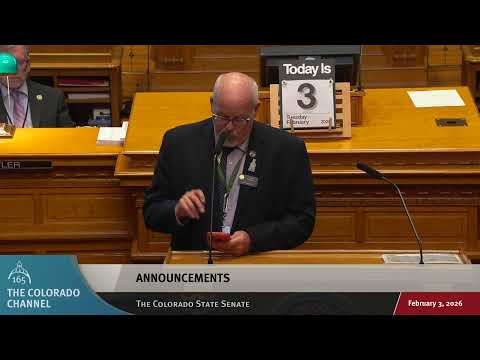
Senate expands who may petition for extreme risk protection orders, passes SB4 after heated debate
Summary
The Colorado Senate on Feb. 2 passed Senate Bill 4, expanding who may petition a court for an extreme risk protection order (ERPO). Supporters called it a life-saving public-health tool; opponents warned of due-process and fiscal harms. Vote: 20–13.
The Colorado Senate passed Senate Bill 4 on final reading on Feb. 2, changing who may petition a court for an extreme risk protection order (ERPO). The measure passed by a roll-call vote of 20 ayes to 13 noes, with two senators excused.
Supporters said the bill strengthens tools to prevent harm from firearms. Senator Gonzalez urged colleagues to consider victims and prevention organizations, saying, “Extreme risk protection orders save lives.” Senator Danielson recounted family and community exposure to gun violence and school safety drills, calling the bill “a small step forward to address devastating violence.” Senator Sullivan pointed to implementation data, saying six years of ERPO use produced 692 filings between January 2020 and December 2024 and noting that many professional petitions have been granted.
Opponents raised constitutional and procedural concerns. Senator Zamora Wilson delivered an extended floor speech arguing the expansion risks infringing Second, Sixth and Fourteenth Amendment protections, saying the proposed changes could lead to temporary or long-term firearm seizures based on allegations and “treat gun ownership as a privilege revocable on hearsay.” She also outlined estimated individual costs if an order is issued—defense fees she cited as “$2,000 to $5,000,” and gun-storage fees of “$20 to $50 per month”—and warned of chilling effects on mental-health treatment.
The minority leader framed the expansion of institutional petitioners as potentially creating administrative burdens and unintended consequences, questioning whether it could generate more incomplete filings or false applications. Senator Sullivan characterized much of the opposition as fear-based rhetoric and said the existing statutory framework offers data and records that can be reviewed.
The floor debate included repeated references to Colorado’s current ERPO/IRPO framework and to the balance between public-safety goals and due-process protections. After debate, the Senate recorded 20 ayes, 13 noes, 0 absent and 2 excused, and the bill was passed and cosponsors were recorded.
The next formal step is enrollment and presentation to the governor; the Senate recorded the vote and the bill’s passage on the Senate floor.