Get Full Government Meeting Transcripts, Videos, & Alerts Forever!
Get email alerts on the Food Trucks topic
No spam. Unsubscribe anytime.
Williamsburg moves food‑truck rules into city code, halves inspection cadence
Summary
City Council approved ordinance 24‑09 to move food‑truck operation standards from the zoning code into city code and change food‑truck inspections from annual to a six‑month operational permit aligned with equipment expiration; staff said permitted trucks doubled from 24 to 48 in one year.
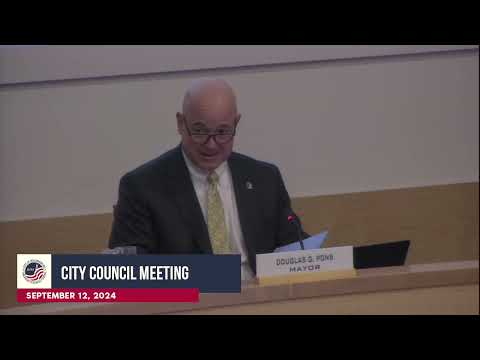
Williamsburg City Council on Sept. 12 adopted ordinance 24‑09, moving food‑truck operation standards out of the zoning ordinance and into the city code and changing the inspection cadence to better align with equipment expirations.
Chief Snyder told council the change is intended to streamline permitting and create a single point of contact at the fire department. “We're going from an, an annual inspection to really every 6 months,” he said, explaining that the operational permit will expire with the earliest‑expiring device (for example a hood unit) so permits will be synchronized with required equipment inspections.
Snyder said his office offered three workshops in January 2024 and conducted one‑on‑one outreach to current permit holders; he noted the number of operational permits rose from about 24 a year ago to roughly 48 today. That growth, he said, contributed to staff's recommendation to streamline inspection logistics and centralize coordination with the fire department.
Local restaurant owner Rick Wozeman of Copper Fox spoke in the public hearing in support of the change, telling council that the current practice of inspecting every time a truck visits is “probably overkill.” Council members voiced support for both the safety rationale and the business‑friendliness of the proposed change before voting unanimously to adopt the ordinance.
The ordinance keeps zoning controls for where trucks may operate (private property still requires zoning administrator approval) while relocating operational standards to city code so adjustments to inspection processes can be made without repeating a text amendment to the zoning ordinance. Council members stressed that larger special events will still receive full inspections as needed to protect public safety.
Council did not change the council‑directed condition that large assembly events continue to be inspected; the new code language makes it easier for staff to update operational details in the future.