Get Full Government Meeting Transcripts, Videos, & Alerts Forever!
Get email alerts on the City Budget topic
No spam. Unsubscribe anytime.
Williamsburg budget proposal draws sharp opposition from restaurants and business owners
Summary
City Manager Drew Trivet presented a $112.3M FY26 proposal including a $1.59 per 1,000 gallon water rate increase and new hospitality levies; dozens of restaurateurs and residents urged council to find cuts or other revenues rather than raise meals, lodging or admissions taxes.
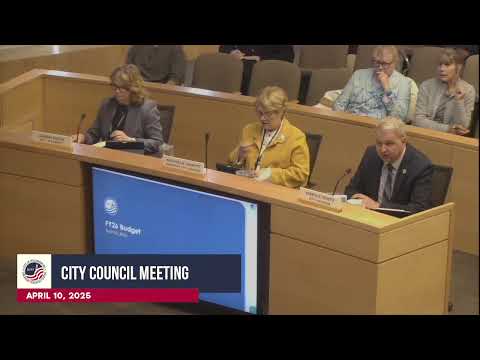
City Manager Drew Trivet presented the proposed FY26 budget to Williamsburg City Council on April 10, a $112.3 million spending plan that staff said includes a $2.4 million mandatory spending increase and a roughly $77,000 projected surplus after trimming new requests. Trivet told the council most new departmental requests were denied and that the only general-staff item included was a 3% cost-of-living adjustment.
Trivet framed two structural budget problems: aging utility infrastructure and an imbalanced capital-improvement program (CIP). He said staff estimated $27,660,000 in utility work over the next decade and proposed funding the projects incrementally through debt for the utility fund. To close the CIP gap, staff proposed a package of revenue changes: a 2% increase in the real property mill rate (estimated $1.8 million), a 3% lodging tax increase (estimated $1.1 million), and a proposed new 10% admissions tax (estimated $1.25 million). Trivet also proposed a $1.59 per 1,000-gallon water rate increase, which staff presented as a near-term 30% adjustment to bring $1.5 million to the utility fund. Trivet said the council could tailor rates, exemptions and dealer discounts by class of payer.
Business owners and local leaders packed the public-hearing segment. Noreen Graziano, president of the Williamsburg Area Restaurant Association, said the association and her business oppose the proposed meals and water rate increases, noting restaurants already face higher food and labor costs and increased credit-card fees. “We are opposed to the current increases,” she said. Mary Ellen and Tom Power, owners of a local cheese shop and wine cellar, warned that raising taxes on locals and visitors will reduce foot traffic and harm small businesses that are still recovering from the pandemic. Restaurateur Mickey Chohan criticized the timeline for notice and said higher collection volumes magnify the burden of dealer processing fees on proprietors.
Several speakers urged alternatives to hospitality-based taxes: deeper CIP cuts, reallocating one-time federal relief and reserve funds (staff flagged $5.5 million in assigned COVID-relief funds), or modest real-estate tax increases. Council members and the mayor said they had heard the public and would continue to review the budget revisions before an expected adoption on May 8. No formal vote on the budget was taken at the April 10 meeting; council left the record open and scheduled further review at the May 5 work session.