
Commissioners halt payments, call lawyer after disputed fence and road change orders
Get AI-powered insights, summaries, and transcripts
Subscribe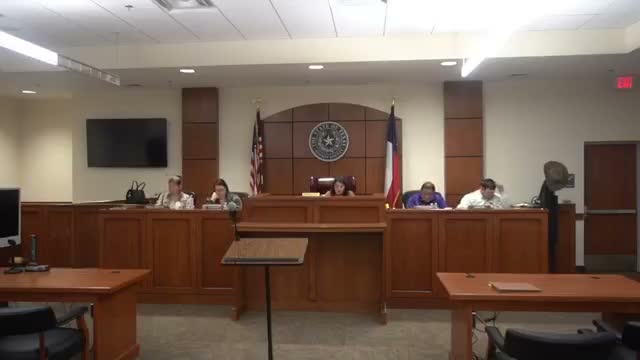
Summary
Commissioners questioned whether county funds paid to replace a fence on private land were proper; the court tabled further payments pending county attorney negotiations and recommended settlement agreements or landowner releases before final approval.
Dimmit County commissioners paused payments and asked the county attorney to negotiate with affected landowners after an extended debate over change orders on a road project that also included replacement of fence lines.
The dispute centered on change orders tied to the Briscoe Ranch road project. One commissioner said inspection records and right-of-way releases were missing and that at least one fence on the project's path appears to be privately owned. "It looks like we built a private fence with taxpayers' money," another commissioner said during the meeting, calling for documents that show landowner permission or a release of claims.
The county engineer confirmed the project is incomplete and that a final substantial-completion walk-through had not been requested by the contractor; the engineer said the contractor was willing to meet for inspections and remedial work. County counsel and outside counsel recommended a legal approach that minimizes exposure: obtain signed settlement agreements or mutual releases from landowners rather than rescinding prior lawful payments. County attorney Keith Franklin described settlement agreements as a common way to clear landowner claims while allowing the road project to proceed and recommended counsel-led negotiations.
After debate about quality of work differences between two project sections and whether certain change orders had been correctly categorized, the court voted to table further payments on the project, stop additional disbursements pending legal review, and direct the county attorney to contact landowners and negotiate releases or settlement agreements. The motion included instruction that future communications on this item be routed through legal counsel to protect the county in any negotiations.
The court did not rescind previously authorized payments immediately; instead it asked counsel to pursue settlement releases and to report back at a subsequent meeting. Commissioners stressed the priority of ensuring that county projects deliver adequate drainage improvements and quality of workmanship and that the county is protected from property-damage claims.