
Alabama Senate adopts elder-abuse inheritance restrictions, approves amendments unanimously
Get AI-powered insights, summaries, and transcripts
Subscribe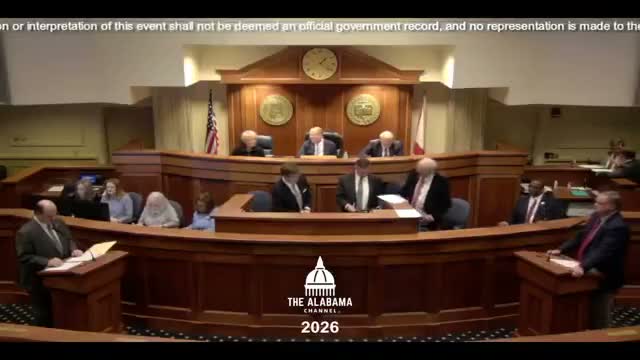
Summary
Senate Bill 41 bars individuals convicted of elder abuse or financial exploitation from inheriting from the abused person and removes a lower evidentiary standard in floor amendments; amendments were adopted and the bill passed 32–0. Sponsors and amenders explained the changes on the floor.
The Alabama Senate on Monday approved legislation (SB 41) designed to prevent convicted elder abusers and financial exploiters from receiving benefits under a victim’s will, intestate succession or joint tenancy. The bill passed the Senate as amended by a 32–0 vote after floor amendments that sponsors said clarified the statute’s evidentiary standards.
“This bill would provide that any individual who is convicted of elder abuse or financial exploitation of an elderly person, may not receive any benefits under the abused or exploited individual's will or if no will through intestate succession,” Senator Kelly said on the floor, reciting the core effect of the measure.
Senator Graham offered an omnibus amendment to consolidate several technical and substantive changes; the amendment was received and adopted. Graham later explained a second amendment aimed at removing language that used a lower civil evidentiary standard (preponderance of the evidence) in certain probate recording steps; senators adopted that amendment, with proponents arguing it preserves consistency with criminal-conviction standards.
Floor clerks recorded unanimous passage of the amendments and the final bill: amendment votes were reported as 32 ayes, 0 nays, and the final passage was recorded as 32–0. Supporters said the changes would strengthen protections for elderly victims and ensure that convictions disqualify abusers from profiting from the victim’s estate; sponsors said the bill aligns probate recording and inheritance rules with criminal-conviction outcomes.
Because the floor amendments altered evidentiary language in the bill text, further enrollment and committee processing will follow the Senate’s procedural rules before the bill proceeds to the House (if not already sent). The Senate adjourned later in the day and will reconvene at the time scheduled by leadership.
The floor debate included technical explanations of replacement lines in the bill text and multiple unanimous-consent moves; the transcript records the amendment text being replaced on specific lines but does not include the final enrolled text.