Board adopts tiered winery permitting rules to streamline small producers, directs staff to adapt for legacy 661 zoning
Loading...
Summary
After multi‑year stakeholder work, supervisors adopted a tiered permit system for wineries (tier 1 land use permit up to 20,000 cases; tier 2 zoning administrator; tier 3 planning commission), with detailed standards on setbacks, tasting rooms, lighting and event caps; board asked staff to produce a focused amendment for properties under legacy ordinance 661.
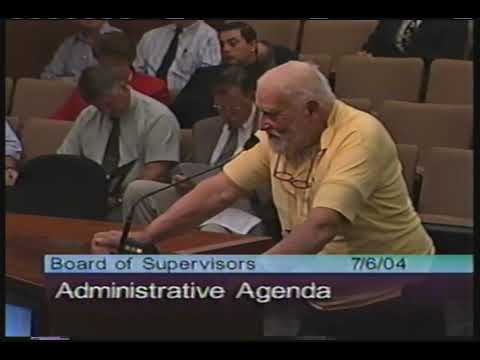
The Board of Supervisors on July 6 adopted comprehensive zoning text amendments that create a tiered permit process and development standards for winery facilities in unincorporated Santa Barbara County outside the coastal zone and Montecito Planning Area.
Planning staff described the three tiers: tier 1 (land use permit administered by the planning director) for smaller operations (example thresholds: up to 20,000 cases per year, 2 acres planted per 1,000 cases, structural development up to 20,000 sq. ft., up to four special events of 150 attendees), tier 2 (zoning administrator development plan; higher production cap and allowance of a small tasting room), and tier 3 (planning commission development plan with higher production and event allowances). A major conditional use permit is required for proposals seeking more than the tier limits (planning commission review, with an overall 40‑day maximum cap on special events for large projects under current ordinance language).
The ordinance sets out development standards including origin‑of‑grapes provisions, doubled setbacks for wineries that host special events, design and screening standards, height and lighting restrictions intended to reduce visibility, parking and circulation requirements, and waste handling rules. Staff prepared a Negative Declaration focused on the largest potential tier‑1 winery (20,000 cases, 20,000 sq. ft., four events) and concluded no significant environmental impacts with the proposed standards and existing permit review requirements.
Stakeholders and industry representatives — including the Central Coast Winegrowers’ winery subcommittee and local growers — supported the tiered approach as a balance between encouraging small, boutique wineries and maintaining environmental and neighborhood safeguards. COLAB urged broader application to parcels still zoned under obsolete ordinance 661 and suggested lowering on‑site grape origin limits and facilitating regional crush facilities; staff said a focused replication for tier‑1 projects in 661 lands could be prepared as a separate ordinance and estimated about 60–70 hours of work and added budgetary effort.
Supervisors discussed event caps, neighbor setbacks, flexibility in applying policy tests and the need to revisit aspects based on implementation experience. The board voted unanimously to adopt the ordinance and separately directed staff to replicate the tier‑1 language for properties in ordinance 661, with outreach notification to stakeholders.