County report: inspections show broad compliance on offshore platforms but aging infrastructure needs monitoring

Santa Barbara County Board of Supervisors · February 5, 2026

Get AI-powered insights, summaries, and transcripts

Subscribe
AI-Generated Content: All content on this page was generated by AI to highlight key points from the meeting. For complete details and context, we recommend watching the full video. so we can fix them.

Summary

Energy Division presented quarterly inspections of federal platforms, nearshore piers and onshore facilities showing frequent MMS inspections, corrective actions for priority deficiencies, and concerns about aging infrastructure and smaller operators; board directed continued quarterly reporting.

The Santa Barbara County Energy Division on July 6 reported that inspections, audits and unannounced drills during January–March found generally strong compliance across federal platforms and many onshore facilities, while identifying pockets of lingering priority items and risks tied to aging infrastructure.

Steve Chase, manager of the county energy division, summarized Minerals Management Service (MMS) activity over the quarter, noting four annual platform inspections and 15 partial, unannounced inspections covering all 15 federal platforms on a quarterly cycle. He said the inspections flagged issues — corroded brackets and decking on Platform Habitat, calibration problems with pressure-relief valves on other platforms, and an open deck hatch linked to an accident investigation — all of which MMS required operators to correct. The report also documented four unannounced oil-spill exercises and regular pipeline inspections.

Chase highlighted that most onshore facilities showed “excellent compliance,” but that smaller or aging sites had more compliance problems. Examples included signage and pipeline protective-covering needs on the Conoco north-county pipeline system and outstanding validation of a hazards analysis and tank-inspection follow-ups at the Greka (Santa Maria) asphalt refinery.

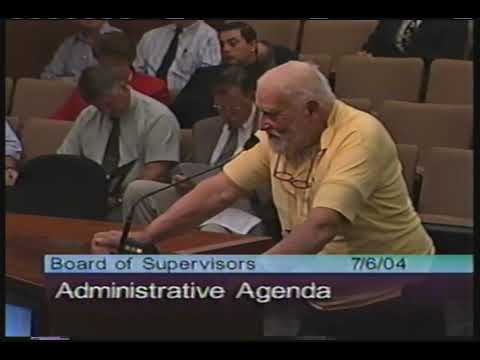
Connie Hannah of the Santa Barbara League of Women Voters thanked staff and MMS for the quarterly reports and urged continued public access to definitions and acronyms used in the documents. Chase said priority‑1 deficiencies indicate serious potential for injury or release and that the county uses a measured, case‑by‑case response — from 30‑day deadlines for signage to longer schedules for costly tank testing — and can shut down operations where imminent risk is found.

Board members praised the increased engineering focus of federal inspections and the county’s oversight, asked that priority‑1 and priority‑2 definitions be included in future reports for public clarity, and directed staff to continue reporting on a quarterly schedule (with the next departmental update expected in September).