Get Full Government Meeting Transcripts, Videos, & Alerts Forever!
Get email alerts on the Boardsmanship topic
No spam. Unsubscribe anytime.
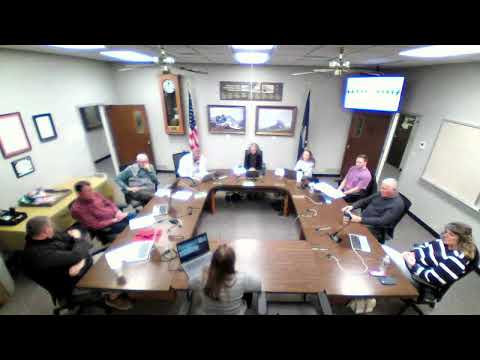
KASB attorney trains McPherson school board on open-meeting rules, social media risks and bond-election limits
Summary
A Kansas Association of School Boards attorney advised the McPherson board on Open Meetings and Open Records requirements, executive-session wording, social media pitfalls and how districts may inform (but not advocate) ahead of a bond election; the agenda was approved 7-0.
Angie Stahlberg, an attorney with the Kansas Association of School Boards, spent the McPherson school board’s training session reviewing open-meeting and records requirements, executive-session procedures, social-media pitfalls for elected officials and guidance on what the district can say about a planned bond election.
Stahlberg told the board the Open Meetings Act exists so “we didn’t want our governing bodies making decisions behind closed doors,” and outlined the three elements that generally turn a gathering into a public meeting: interactive communication, a majority of the board (four of seven members) and discussion of school business. She warned that a string of private emails, texts or social-media interactions that amount to a de facto agreement can violate the law.
Why it matters: the board is preparing for a bond election and Stahlberg’s guidance is intended to reduce legal risk and preserve public trust as the district communicates about facilities and funding. She reviewed attorney-general guidance that districts may spend public funds to “educate and inform the public on issues to be voted upon by the electorate,” but she emphasized officers should “maintain a semblance of neutrality” and avoid using district resources to tell people how to vote.
During the presentation Stahlberg went through practical points board members face in day-to-day work. She recommended forwarding constituent correspondence to the superintendent or clerk rather than replying-all to fellow board members, advised blind‑copying administrators if appropriate to preserve an auditable trail, and urged board members to avoid sharing personnel or student information outside required channels.
On executive sessions, Stahlberg said motions must include three components: a short description of the subject to be discussed, the statutory justification and the time/place when the board will reconvene in open session. She urged the board to record the full motion in minutes so that, if questioned later, the record is clear.
Stahlberg also cautioned about social media. She said board members who discuss board business online risk creating a serial meeting and could be treated as state actors in ways that trigger legal challenges. “If you’re going to use social media as a listening tool, I would recommend that you put very open ended questions out there and just listen,” she said, and suggested keeping personal and official accounts separate.
Practical rules and liabilities were highlighted: Kansas is a single‑party recording state (an individual participating in a conversation may record it without notifying others), some personnel and student records are protected from public disclosure, and civil or criminal penalties may attach if statutory rules are violated. Stahlberg warned that open‑meetings violations can carry fines (she cited potential penalties up to $500 per instance per person) and that conflicts of interest involving contracts can be misdemeanors under state law.
The board handled one procedural action at the start of the session: the meeting agenda was moved, seconded and approved 7‑0. Stahlberg said the administration will be the natural mouthpiece for district messaging and recommended the board avoid appointing an individual member as a public spokesperson for collective positions on campaign matters.
Next steps: Stahlberg offered to share the presentation materials with Superintendent Doctor Vincent and the board clerk; the board agreed to follow up on procedures and share guidance with staff before further bond‑related outreach. The training concluded and the meeting was adjourned.