
Norfolk superintendent proposes $472M general fund for FY27, links consolidations and staffing to literacy goals
Get AI-powered insights, summaries, and transcripts
Subscribe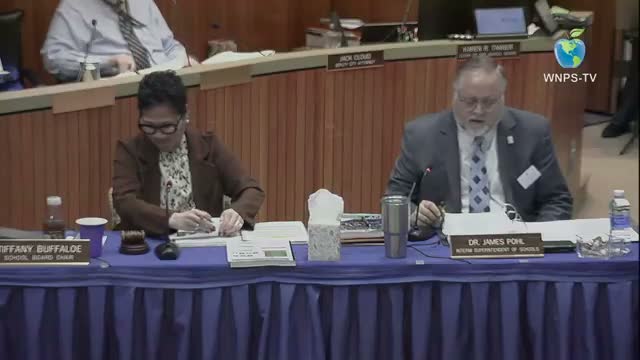
Summary
Superintendent Dr. Poe presented a FY27 budget proposing $642.9M across all funds ($472M general fund), prioritizing compensation, targeted tutoring and special education supports while phasing school consolidations to reallocate $1.7M in savings to classroom needs; unanswered items include detailed special-education category breakdowns and final VDOE/city funding decisions.
Dr. Poe presented the Norfolk Public Schools proposed fiscal year 2027 budget, describing a $642.9 million total across all funds and a $472.0 million general fund as the division's core operating budget. He said the proposal aligns to board goals — raising third-grade reading proficiency, improving outcomes for Black students, reducing achievement gaps and expanding advanced academic pathways — and ties investments explicitly to those outcomes.
The superintendent said state aid was estimated at about 59% ($279.0 million) of general-fund revenue and city support about 37.6% ($177.2 million), and that the plan relies on roughly $10.2 million in one-time reversion or true-up funds. He described enrollment decline as the division’s principal fiscal pressure even as needs rise in special education, English-learner services and social-emotional supports.
To protect classrooms, the proposal increases the starting teacher salary to $61,289 and provides a 2% cost-of-living adjustment for teachers, administrators, classified and part-time staff. Dr. Poe said salaries and benefits constitute about 82% of operating expenditures and listed recruitment and retention incentives (including bonuses and internal pathways from classified to certificated roles) as ongoing strategies.
The presentation outlined consolidation phase 1 actions as written in the packet: repurposing Oceanaire Elementary to an early childhood center and closing Norview Elementary and Willoughby Early Childhood Center (as presented). Dr. Poe said estimated savings of $1.7 million from phase 1 would be reinvested in targeted supports: five additional bus drivers, three elementary security officers, three behavior specialists, one social worker, and expanded special-education contract services and classroom readiness investments. He emphasized that no employees would be laid off as a result of the consolidations and that impacted staff would be reassigned through vacancies and attrition.
Dr. Poe also requested increased capital funding: deferred maintenance of $17 million and an increase in anticipated debt service for the Maury High School project from $65.5 million to $76.5 million to support a natatorium and other facility work, plus funding for bus replacements, HVAC repairs and the Camp Young pool renovation. He noted prior federal relief had funded tutoring, HVAC and technology upgrades but that those funds have largely ended, increasing the need to preserve effective programs in the local budget.
Board members pressed for more detail in several areas. Several trustees asked whether high-dosage, face-to-face tutoring levels would be maintained; Dr. Poe said the total tutoring budget is $8.5 million (about $2.0 million for earliest-literacy programs and $6.5 million used with university instructors), acknowledged a possible reduction in some contracted online-only tutoring services, and said consolidation could increase tutors per remaining school by redistributing existing positions. Trustees also asked for a breakdown of the reported rise in the share of students identified with disabilities (cited in the presentation as rising from 11.4% in SY21 to 17.7% in SY26); Dr. Poe and division staff said they would provide a category-level breakdown for the board.
The superintendent cautioned that health-insurance premiums — unchanged since FY23 — may rise modestly in January 2027 and that the final consortium rate and any resulting costs will be communicated to staff as contracts are prepared. He acknowledged some central-office reductions (one chief position, lower central operating accounts, delayed digitization work and the phase-out of certain pilots) were required to balance priorities.
Next steps: Dr. Poe said the board will hear a public hearing on the budget and consider adoption at the March business meeting, and the board’s proposed budget must be submitted to city council by April 1 with final adoption following the city appropriation later in the spring.