
Board hears 10‑year facilities plan and funding options; administration seeks financial modeling
Get AI-powered insights, summaries, and transcripts
Subscribe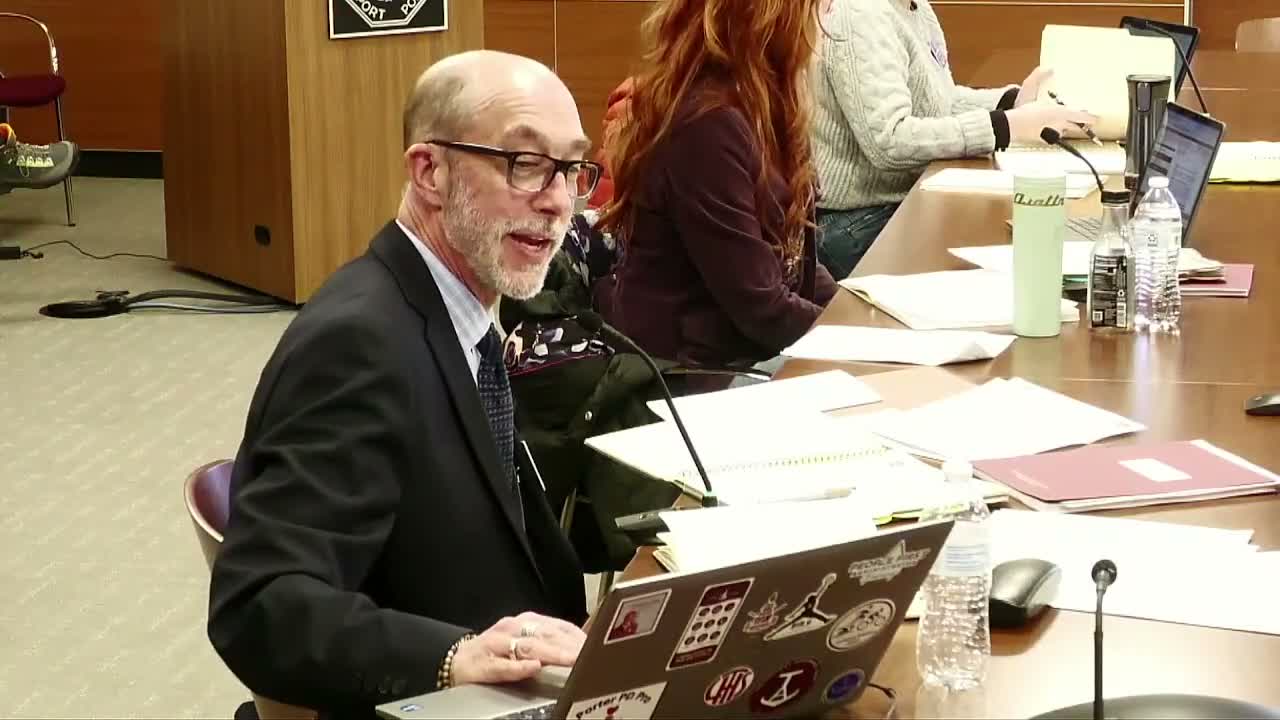
Summary
District staff presented a 10‑year facilities roadmap for Central and East campuses that mixes infrastructure and capital projects and recommends working with financial advisers to evaluate a blended funding strategy (life & safety bonds, working cash, fund balance). The board agreed to pursue financial analysis but did not vote on the plan tonight.
District administrators and facilities consultants presented a 10‑year decision guide Monday outlining prioritized projects at Central and East campuses and proposed funding approaches that would avoid a single referendum by blending life‑and‑safety bonds, working cash, fund balance and annual budgets.
The plan breaks projects into four buckets — two campus locations plus infrastructure and capital — and assigns a notional schedule and funding source to each item. Consultants said some items (roofing, exterior envelope, electrical upgrades and select major mechanicals) were scheduled early in the horizon to reduce the risk and cost of deferral. At Central, uncovered conditions identified during recent structural work increased the cost estimates for some exterior repairs; at East, priorities include stadium upgrades and bleacher/turf work.
Brian Amer, a facilities presenter, described the plan as a “blended model” that avoids concentrating projects in a single year. He told the board the numbers are working estimates and that later years of the plan do not include inflation modeling. Administrators advised the board to consider the "cost of inaction," noting that delaying work can increase overall expense.
Board members pressed for detail on several points: whether boilers could be maintained for 10 years with preventative work, how much of the Central scope had been covered by the district’s previously authorized life‑and‑safety bond, and whether some capital projects could be deferred and paid with fund balance while life‑safety items at East were bonded. Presenters said the $15 million life‑and‑safety authorization had been applied to exterior infrastructure work but that additional needs have broadened the scope and raised cost estimates.
Administrators recommended the board authorize staff to engage PMA Financial (or a similar advisor) to model multiple financing scenarios and the tax‑payer impact of different mixes of debt and fund balance. Several trustees favored moving quickly so professional financial modeling could inform decisions about scheduling, sequencing and whether to issue additional bonds; others cautioned that a formal vote tonight would be inconsistent with Open Meetings Act notice requirements since the item was not listed as an action item.
Next steps: the board expressed consensus to proceed with financial modeling and to return a refined proposal next month for a formal vote. If approved later, individual projects would proceed through standard design, bidding and board approval processes.