Rochester council reaffirms 'compassionate city,' authorizes city attorney to pursue amicus filings documenting local impacts of federal enforcement
Loading...
Summary
After more than an hour of public comment about federal immigration enforcement in Rochester, the City Council unanimously adopted a resolution reaffirming Rochester as a compassionate city and voted 4–3 to direct the city attorney to coordinate amicus participation documenting local impacts in federal litigation.
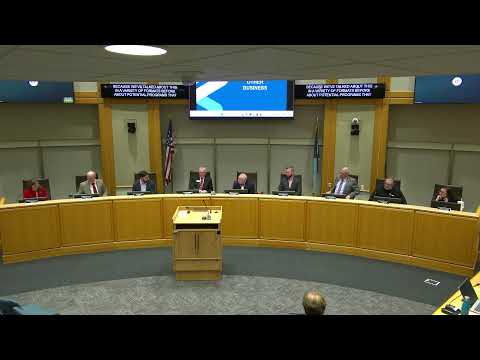
Rochester — After an extended public comment period in which dozens of residents described encounters with federal immigration agents, the Rochester City Council on Monday unanimously adopted a resolution reaffirming Rochester as a ‘‘compassionate city’’ and then narrowly approved a separate motion to direct the city attorney to coordinate amicus participation in federal litigation that challenges recent federal enforcement tactics.
The council’s resolution, introduced by Councilmember Doring, affirms the city’s stated values and its long-standing policy on local policing. Doring told colleagues, “I brought forth this resolution to let our community know that we hear them, to let them know that we care,” and asked members to vote in favor to show support for fearful and affected residents. The resolution passed unanimously.
The council then debated a second, separate motion from Councilmember Keane to authorize the city attorney to pursue amicus briefs and other forms of participation that document local harms tied to federal immigration enforcement. City Attorney Michael Spindler explained the legal options, distinguishing joining as a named plaintiff from filing a friend-of-the-court brief, and said recent federal rulings (including a denial of an initial request for a temporary restraining order) mean additional filing opportunities could arise as the litigation proceeds.
Speakers during public comment urged formal action. Tina Liebling, state representative for House District 24B, urged Rochester to “join the lawsuit either joining as a plaintiff or with an amicus brief,” saying Minneapolis and St. Paul have documented harms in their filings. Residents described traffic stops, detentions, and what they called an atmosphere of fear that has affected school attendance and local businesses.
Supporters of the amicus motion argued Rochester-specific documentation would show judges this is not only a Minneapolis–Saint Paul problem. Councilmember Keane said having Rochester data “helps explain to the courts and to the country that this is bigger than just an urban problem.” Opponents cautioned against the council entering partisan litigation; Councilmember Wall said he worried the suit reads as political and that Rochester’s participation could deepen division.
On the amicus motion, the clerk recorded a roll call: Keane (Aye), Miller (Aye), Wall (No), Fredericks (Nay), Palmer (Nay), Doring (Aye) and Council President Schoebring (Aye). The motion passed 4–3. The record does not show a resolved timeline for any filing; the council directed the city attorney to coordinate participation and to use judgment about timing and scope.
City staff said they will continue to collect incident information via the city webpage and noted a Federal Reserve of Minneapolis survey for local business impacts; staff also committed to building forums and resources to capture community experiences in ways that can inform any legal submission. City Administrator Zelms pointed to rochestermn.gov/immigration as a confidential reporting link and encouraged affected residents and businesses to use it.
The council’s actions leave two separate outcomes in place: a unanimously adopted local proclamation reaffirming city values, and an authorization for staff to pursue legal avenues (amicus briefs) documenting local harms if and when appropriate. The council’s next procedural steps on any specific filing will depend on further legal advice and any opportunities presented by ongoing litigation.