Get Full Government Meeting Transcripts, Videos, & Alerts Forever!
Get email alerts on the Childcare topic
No spam. Unsubscribe anytime.
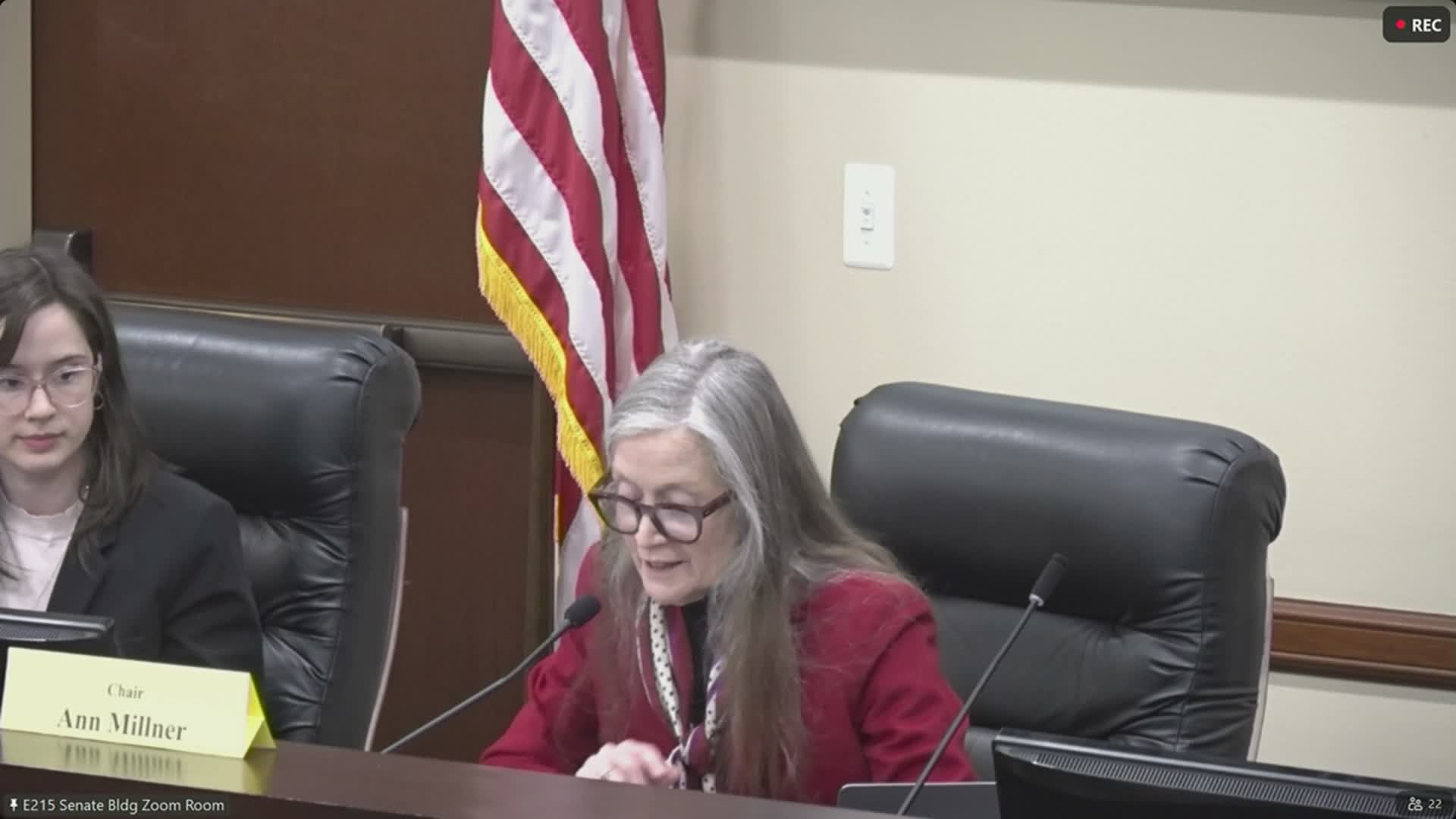
Senate committee backs home‑based childcare bill with $2.3M grant but debate continues over raising cap to 10 children
Summary
SB 2.14 would create a $2.3 million grant program to seed roughly 1,000 home‑based childcare providers (about $5,000 each), require fingerprinting and CPR training for registered providers, and raise the unlicensed/registered cap from 8 to 10; the committee advanced the bill unanimously amid stakeholder concerns about ratios and competition with licensed centers.
A Utah Senate committee voted unanimously to send SB 2.14, a package of measures aimed at expanding home‑based childcare, to the full Senate after lengthy testimony from health, childcare and rural business representatives.
Sponsor Senator Escamilla described the bill as "a labor of love" intended to close childcare gaps in rural and urban areas. The bill includes a one‑time $2,300,000 grant fund intended to support about 1,000 new home‑based providers with roughly $5,000 per provider, plus additional matching and technical assistance from private partners. The bill would raise the maximum number of children allowed in the new registered home‑based category from 8 to 10 and requires criminal background checks, fingerprinting, CPR training and mandatory abuse reporting for registered providers.
Shannon Toman Black, director of Licensing and Background Checks at the Department of Health and Human Services, told the committee the package is intended to balance access and safety and noted that raising the cap to 10 is consistent with practices in some other states; she also said registration creates tighter controls for certain age groups (for example, a limit of two children under 3 per single provider).
Private partners and rural representatives described fieldwork in multiple counties and urged targeting grants to childcare deserts; the Policy Project said it visited seven counties and will help design applications and technical assistance. Rural business and chamber representatives said more home‑based options are essential to retain workers.
Childcare advocates and some providers urged caution about increasing the unlicensed cap. Dr. Sarah Stone (Utah Association for the Education of Young Children) said the move from 4 to 8 in recent years and now to 10 effectively doubles group sizes in a short time and argued lower child‑to‑adult ratios are associated with better outcomes and safety. Several speakers representing center‑based providers warned that higher unlicensed caps can draw children away from licensed centers, potentially harming those businesses.
Committee members pressed sponsors on targeting rural ZIP codes, sustainability after one‑time funding, enforcement of background checks and whether the incentives will produce durable increases in high‑quality supply. HHS reported gaps in prior enforcement: of 427 registered providers who should have completed background checks, only 202 had done so; HHS said the bill seeks authority to enforce compliance.
The committee adopted a motion by Senator Kwan to pass SB 2.14 to the full Senate with a favorable recommendation. Sponsors said they will continue stakeholder engagement on the cap and other implementation details as the bill moves forward.
Next steps: SB 2.14 will go to the Senate floor; sponsors and opponents said they expect further amendments and discussion in subsequent committees and on the floor.