Get Full Government Meeting Transcripts, Videos, & Alerts Forever!
Get email alerts on the Inland Port topic
No spam. Unsubscribe anytime.
Senate committee advances substitute to clarify Utah Inland Port Authority powers amid water and boundary concerns
Summary
A first substitute to SB 2.25, aimed at clarifying Utah Inland Port Authority (UIPA) powers including a narrower definition of distribution centers, minor boundary adjustments, and water‑use distinctions, advanced unanimously after testimony raising Great Salt Lake and property rights concerns.
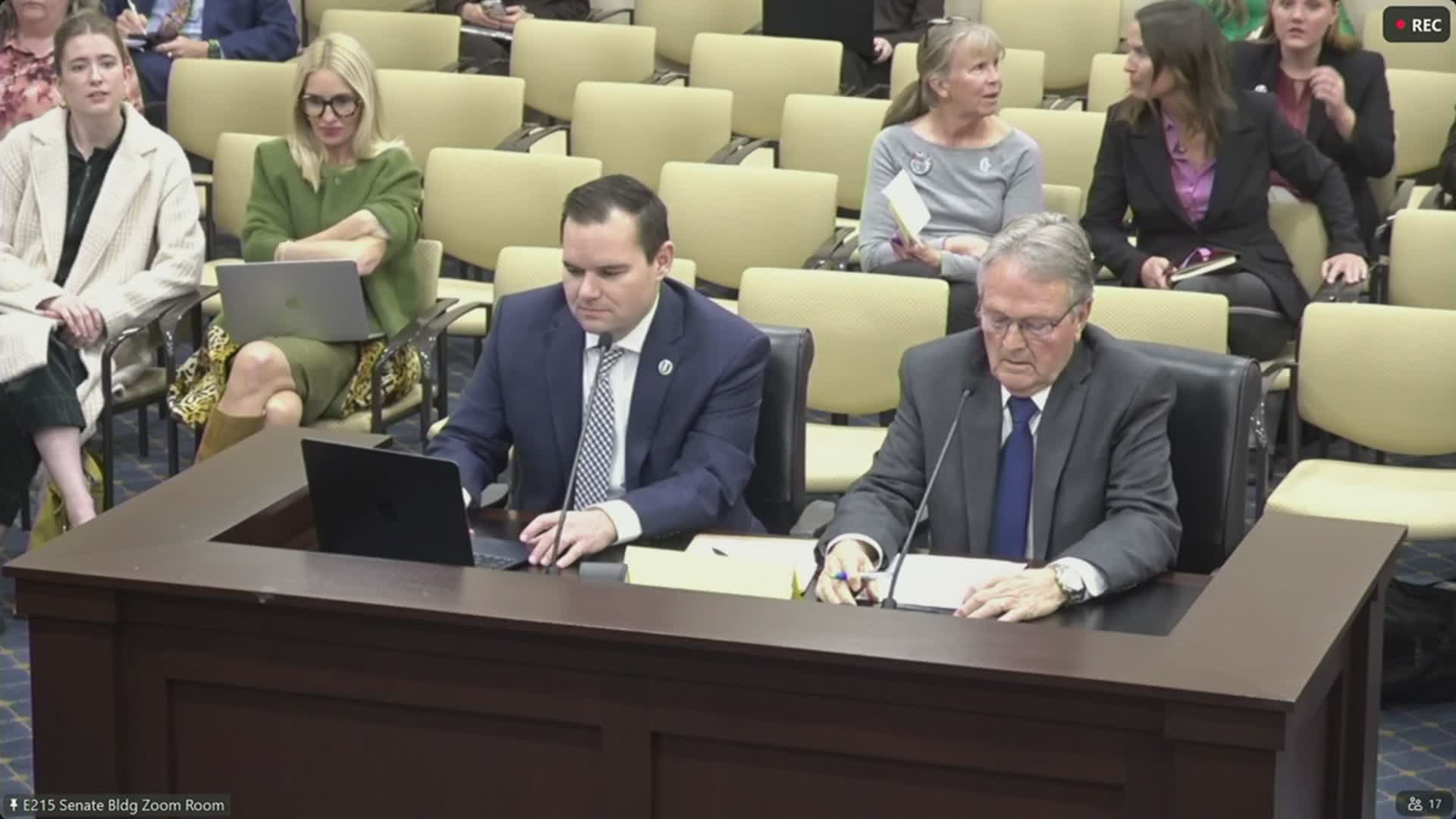
Senators on a Utah Senate committee voted unanimously to send a first substitute to Senate Bill 2.25 — titled 'Utah Inland Port Authority amendments' — to the full Senate after a day of testimony that ranged from industry support to environmental and property‑rights objections.
Sponsor Senator Stevenson opened by calling the measure a technical update to allow the inland port to recognize manufacturing components in distribution centers and to streamline project‑area processes. Ben Hart, executive director of the Utah Inland Port Authority, told the committee the changes are largely "minor cleanup" intended to clarify what the authority may do inside Salt Lake City versus outside that jurisdiction and to allow administrative adjustments to project area boundaries in limited cases.
Opponents argued the bill could undercut Great Salt Lake conservation efforts and shift control over project boundaries from elected officials to an unelected authority. Katie Pappas told the committee the substitute "would loosen restrictions on how tax differential is used, allow more warehouse development, lift much needed water use restrictions, and give the UIPA executive director more power resulting in less transparency." Bruce Williams, a licensed land surveyor, urged the legislature to define "minor" boundary adjustments in statute and require notice and approval for changes that may affect property value.
Supporters including Chuck Akerloh, owner of the Tooele Valley Inland Port project, said the inland port model enabled infrastructure investment — water delivery, wastewater, power and roads — that would not have otherwise occurred on agricultural land transitioning to industrial uses. Akerloh also said modern data centers do not use water for cooling and that his project purchased water rights rather than taking municipal water.
Ben Hart emphasized several steps UIPA has taken to address environmental concerns, saying the authority has contributed $2.5 million for wetland conservation and another $2.5 million for public enforcement in Salt Lake City and plans further contributions; he also noted UIPA partnered with the Department of Environmental Quality on a $112,000,000 grant focused on emissions and air quality. Hart told the committee that board policy will define when a boundary adjustment is "minor" and that the policy will go through a public transparency process and require board adoption; he also said the authority’s board includes three elected officials.
The committee recorded a formal motion to advance the first substitute. Senator Owens moved that the panel "favorably pass first substitute Senate Bill 2.25 to the full body of the Senate," and members voted in favor. The committee did not adopt additional amendments on the floor of the hearing.
Next steps: the first substitute to SB 2.25 will be considered by the full Senate, where supporters said it will enable economic development and opponents said they will press for stronger statutory limits on boundary adjustments and clearer protections for Great Salt Lake water resources.