Get Full Government Meeting Transcripts, Videos, & Alerts Forever!
Get email alerts on the Utility Bonds topic
No spam. Unsubscribe anytime.
Palm Coast Council authorizes up to $330 million in utility bonds amid resident calls for transparency
Summary
Council unanimously approved a supplemental resolution authorizing up to $330 million in utility system refunding and revenue bonds to finance major water and wastewater projects and possible refunding of 2021 debt. Residents asked for publication of legal opinions, the feasibility study and project lists before final closing.
Palm Coast City Council on Tuesday approved a supplemental resolution authorizing the issuance of utility system refunding and revenue bonds not to exceed $330,000,000 to finance capital improvements to the city’s water and wastewater systems and to potentially refund a portion of previously issued debt.
Chris Rowe, bond counsel, told council the resolution sets parameters for a publicly offered transaction — describing limits on the principal amount, maximum maturity (30 years) and constraints that any refunding must produce net savings. "A bond issuance is merely just borrowing money," Rowe said, adding that the supplemental resolution approves form documents that will be used if the city proceeds, including the preliminary official statement.
Joel Tyndall of Hilltop Securities, the city's financial adviser, said the resolution gives the financing team flexibility to size and price the issue and to consider municipal bond insurance if it yields net savings. He said given Palm Coast's credit ratings insurance may not be necessary but the option remains available as pricing approaches.
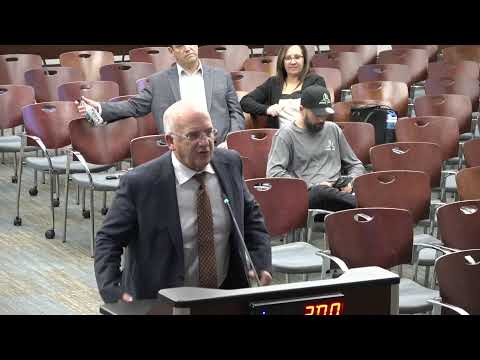
Multiple residents urged greater transparency before any final closing. Janie Duarte and other speakers asked council to publish the 2003 court order Rowe cited that interprets when a debt requires a referendum under the city charter, and to post the city attorney's written opinion explaining why the pledge of utility net revenues is within the charter and Florida law. Jeremy Davis pressed staff to publish the feasibility study and a complete project list tied to the "new money" portion, with percent design, budgets to date and governance controls. "Publish the feasibility study and the complete rate‑impact model and make it part of the public record before you finalize hundreds of millions in debt," Davis said.
Council members said the issue has been discussed in multiple workshops over the past year and that staff will complete the feasibility study and more detailed materials ahead of pricing. Staff and the financing team said a final pricing and decision on insurance would occur in coming months; if the resolution is adopted, they expect bond proceeds to be available in roughly three months.
The council voted unanimously to adopt the resolution. Council asked staff to post the cited court order and to make the feasibility study, rate impact model and project list available to the public during the financing process.
What happens next: If the city proceeds it will finalize sizing and pricing, complete a feasibility analysis by its rate consultant, decide whether to purchase bond insurance based on economics, and return final documents as required by state law and the council’s oversight process.