Get Full Government Meeting Transcripts, Videos, & Alerts Forever!
Get email alerts on the Family Caregiving topic
No spam. Unsubscribe anytime.
Local nonprofit outlines paid-training program letting parents provide Medicaid-funded nursing care
Summary
A presenter from Home Heart Florida told the Special Needs Advisory Board the group now trains and certifies adult family members to deliver up to eight hours per day of private-duty nursing to Medicaid-enrolled children, allowing parents or relatives to be paid for caregiving shifts.
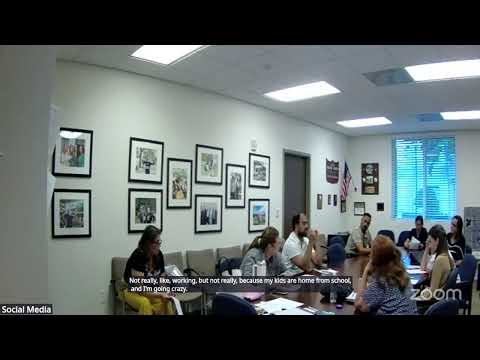
Dr. Philene Toledo of Home Heart Florida described a program the nonprofit began in January that trains and certifies adult family members to provide private-duty nursing to medically fragile children enrolled in Medicaid. Toledo said the program allows one family member to be paid for up to eight hours of nursing care per day when a nurse is not available, and that certification can cover continuous-care shifts or overnight shifts depending on doctors' orders.
"If the child requires private duty nursing and the child has Medicaid, through our program, we will train the parent to become an aid for medically fragile children, and they will be able to take over pay up to 8 hours a day to the child's nursing services," Toledo said, and provided a contact phone number, (844) 721-1433, and website homeheartfl.com for families seeking details.
Board members asked whether the program applies to home health aides as well as nurses; Toledo clarified the program is for nursing hours, not for standard home health aides, and that a home health aide may remain present if medical orders permit. Members pressed for clarification on who pays ongoing service fees, and Toledo said the North Miami model she cited involved a municipal grant to purchase devices or support a pilot, but the program model typically entails an ongoing monthly service or administrative costs for some components.
The board requested written materials and a sample doctor's order Toledo said she had available, and members asked staff to add the program to the committee's resources list so local families can find the information. Toledo said she would provide flyers and sample documentation and encouraged the committee to share contact details with families.