Get Full Government Meeting Transcripts, Videos, & Alerts Forever!
Get email alerts on the Homelessness Decriminalization topic
No spam. Unsubscribe anytime.
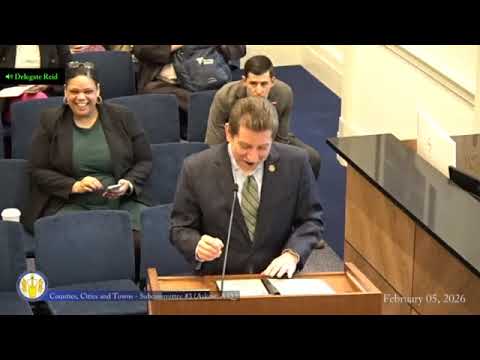
Subcommittee carries HB 13 94 after broad testimony urging end to penalties for survival activities
Summary
HB 13 94 would prohibit localities from imposing civil or criminal penalties on people for life‑sustaining activities (sleeping, resting, protecting oneself) in public places when those activities are non‑obstructive; housing advocates, faith groups, researchers and legal advocates urged support and the subcommittee carried the bill to 2027 with a letter to the Housing Commission.
Chair introduced HB 13 94, sponsored by Delegate Josh Coles, which would prohibit local governments from discriminating against people based on actual or perceived unhoused status by imposing civil or criminal penalties for engaging in life‑sustaining activities in public places — including sleeping in a legally parked car or protected resting in public — provided the activity does not obstruct pedestrian or vehicular movement or create a hazard.
Testimony in support came from a broad cross‑section of organizations: Isabelle McClain of the Virginia Housing Alliance said "arrest, fines and tickets do not solve homelessness" and urged support; Annika Shun of Housing Opportunities Made Equal and Mazie Osteen of the Legal Aid Justice Center echoed calls to stop criminalization; Kashish Pillai of New Virginia Majority noted Virginia lacks enough beds to meet needs for more than 7,000 people experiencing homelessness and that nearly 15 localities have ordinances that criminalize homelessness. Service providers and faith groups described practical harms when people face tickets or arrests, including difficulty placing people into housing and barriers to employment. Researchers working with youth highlighted that only two youth‑specific shelters exist and that penalties push young people away from services.
Committee members discussed amendments (clarifying the bill applies only to publicly owned and reasonably accessible property and simplifying language about "perceived status") and asked the chair to write a letter to the Housing Commission requesting study consideration. The subcommittee carried the bill to 2027 with that letter request by voice vote.