Park board votes to deny proposal for broadband cabinets in parks, asks council for clearer benefits to parks
Loading...
Summary
After a lengthy discussion about fee structure and maintenance burden, the Fall River City Park Board voted to deny a proposal to place broadband equipment cabinets in city parks, saying the city’s existing fee ordinance provides no clear revenue or direct benefit to the parks department.
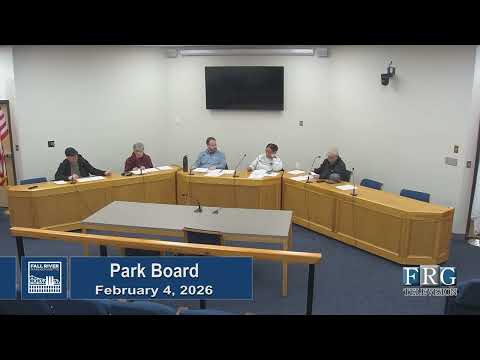
The Fall River City Park Board voted unanimously Feb. 4 to deny a proposal to place private broadband cabinets in city parks, concluding the city's adopted fee structure would not direct meaningful revenue back to parks or cover additional staff burden.
Commissioner Helen Rigo made the motion to deny, which Commissioner Amber Burns seconded. The board cited two central concerns: the parks department would be responsible for maintenance and physical access while fees collected under the city’s recent broadband ordinance would flow to the city’s general fund rather than to park operations; and the annual payment per cabinet appeared too small to justify additional staff time and possible overtime.
Staff explained the fee framework the City Council adopted last year includes multiple components: a per-cabinet occupancy fee (discussed in the meeting as roughly $2,000–$2,500 for an enclosure larger than 15 cubic feet), per-linear-foot charges for fiber or cable, and other permit and pole/authorization costs. Board members said those fees, as currently structured, do not guarantee direct park funding.
Board members discussed possible alternatives a private operator might offer, such as sponsoring park improvements, providing free park Wi‑Fi, or making a clearer payment arrangement directly to the parks budget. Commissioner Rigo said the parks department should get a direct benefit if cabinets are placed on park land; Commissioner Burns noted the city ordinance can be renegotiated but that, as written, there was no clear park benefit.
After debate about negotiation options and administrative logistics — including who would hold keys to cabinets and how staff would handle night or weekend access — the board approved the motion to deny and asked staff to pursue discussions with City Council leadership about whether the ordinance could be amended or whether future proposals could guarantee direct park benefits.
The board instructed parks staff to inform the applicant — identified in the record as Steven Marr and representatives of Ripple Fiber — that, as presented, the proposal was denied but the city could still consider alternate locations outside parks or a revised proposal that clearly benefits park operations. The board directed staff to follow up with Council President Ponti and corporation counsel Rumsey to clarify where any fees would be allocated and whether a revenue-sharing arrangement for parks is possible.
The denial does not block the company from pursuing other city properties; board members noted the applicant could revisit the proposal with a revised benefits package or seek locations in public rights-of-way or city-owned non-park sites.
Next steps: staff will report back to the board after discussions with City Council leadership; no new park vote was scheduled at the Feb. 4 meeting.