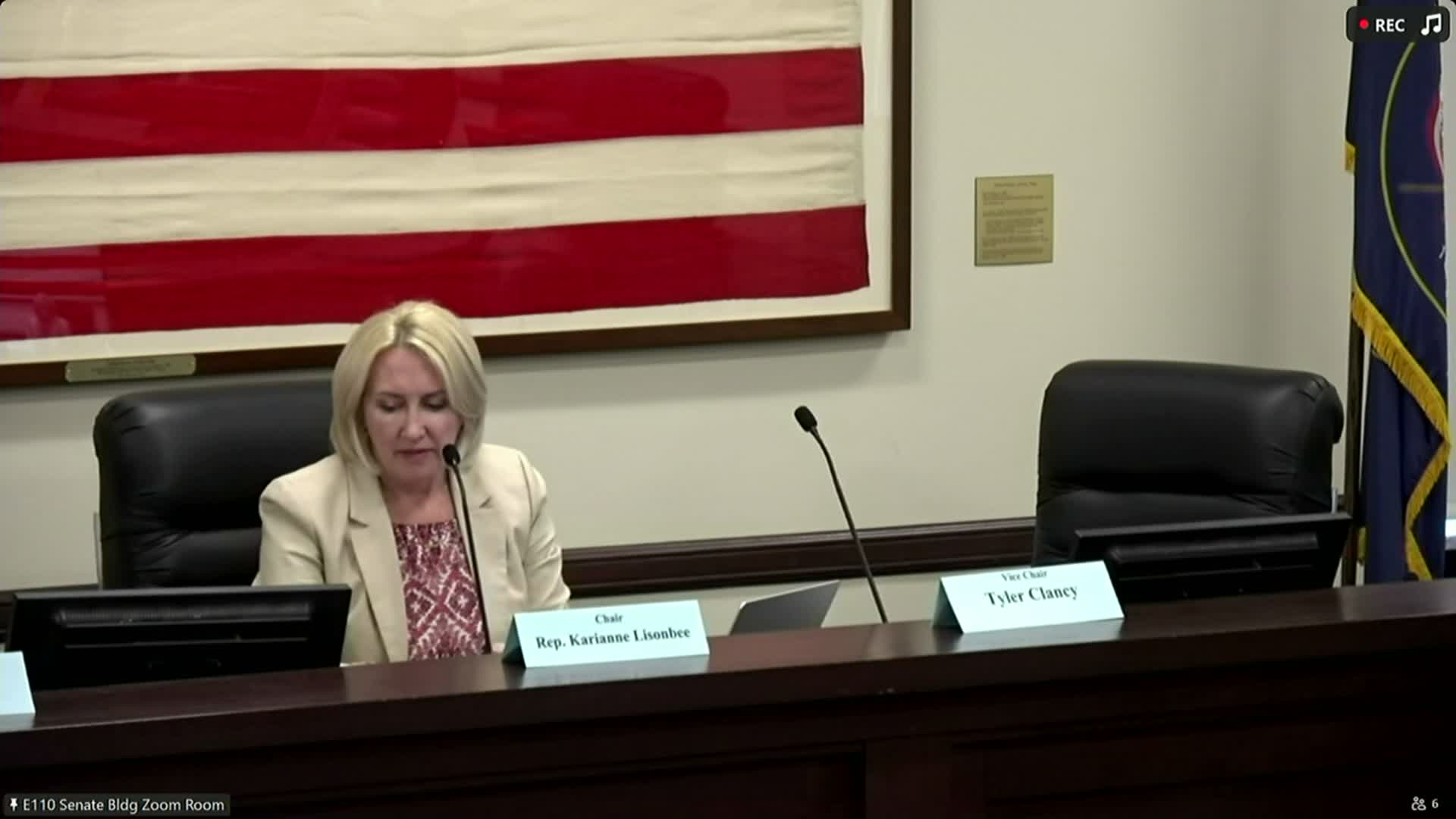
Committee advances competency-evaluation changes aimed at reducing delays, easing medication transfers
Loading...
Summary
The Judiciary Committee unanimously recommended the first substitute to HB 207, which revises when competency evaluations are ordered, sets criteria for additional evaluations, and makes it easier to transfer medication orders between facilities to prevent gaps in treatment.
Representative Abbott presented the first substitute to HB 207, describing procedural changes designed to improve the competency-evaluation process for criminal defendants. Abbott said courts would be encouraged to decide at the outset whether to order one or two evaluations rather than ordering a second only after the first is returned, and she described criteria for when additional evaluations are appropriate.
Abbott also highlighted a provision to ease transfer of medication orders between facilities so clinical continuity is improved: “This allows medication orders to be transferred between facilities more easily than has been done in the past,” she said, adding the change is intended to avoid gaps in medication when someone moves between facilities.
Mark Moffett of the Defense Lawyers Association supported the bill, saying the timing of evaluations had created delays and the bill resolves identified problems. Jeremy Christiansen of the Department of Health and Human Services and the Utah State Hospital said stakeholders, including the Behavioral Health Commission and the Forensic Behavioral Health Coordinating Council, have been involved in drafting and support the bill. Online commenter Seth Stewart opposed the bill on due-process grounds, arguing competency determinations historically involved juries and warning against administrative reassessment and forced medication across transfers.
Representative Vaux moved to adopt the first substitute and the committee favorably recommended it to the House. The committee recorded the motion as passing unanimously on roll call. The substitute now goes to the House floor for further consideration.
Next steps: HB 207 was favorably recommended to the House with a unanimous committee vote.