
Committee advances bill to exempt K–12 projects under $750,000 from state construction-review requirements
Get AI-powered insights, summaries, and transcripts
Subscribe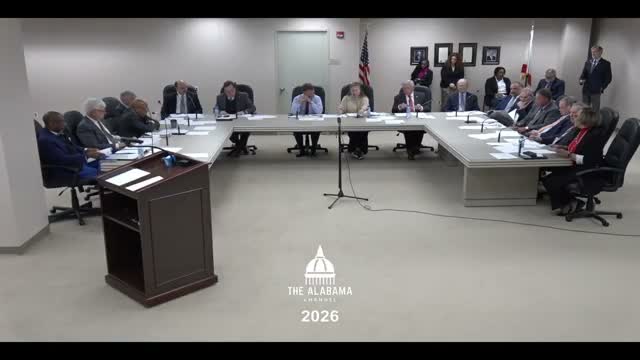
Summary
A Senate committee advanced SB88 after a contentious public hearing in which superintendents and school officials urged cost savings, while contractors, architects and engineers warned removing Department of Construction Management oversight could weaken ADA and life-safety reviews.
Senators advanced legislation that would exempt K–12 projects under $750,000 from routine Department of Construction Management (DCM) review, after a public hearing where witnesses disputed the policy's safety and cost trade-offs.
Sponsor Sen. Tim Stutz said the bill would remove DCM involvement for smaller education projects to reduce delays and costs. “When a small project gets involved with construction management inspection, it roughly triples the cost of the project,” Stutz said, arguing that architects and builders already provide code-compliant plans and inspections.
Supporters said the exemption would let school districts spend more on construction work rather than on state reviews. Ryan Hollingsworth, speaking for superintendents, said the measure would restore an earlier approach for K–12 projects and help schools avoid inspection-induced delays. “We urge you caution as you look at tax credits going forward that would hamper the revenue,” Hollingsworth said, while endorsing more flexibility for school construction planning.
Opponents said DCM provides an independent, statewide safety backstop, particularly in counties without a local building department. Alec Whaley, a general contractor, said Pike County has no building department to perform life-safety inspections and warned of “unintended consequences” if DCM oversight is removed. “We take a great deal of pride in the work that we do. We want our children to be safe,” Whaley said.
Scott Williams, representing the American Institute of Architects, urged rejection of the change. “What we have in place in Alabama for plan submittals, reviews, and inspections is some of the best in the country,” he said, and called removal of the secondary review “unnecessary” and risky.
Randy Horton of the American Council of Engineering Companies recalled prior legislative efforts on the issue and a governor-ordered study group following 2021 changes, noting broad stakeholder opposition at that time. He said engineers and related trade groups continue to have safety concerns.
Committee members sparred over liability and enforcement. Senator Schmidleman read the fiscal note noting that SB88 “will decrease the administrative obligations of the Division of Construction Management by undetermined amount” and raised specific concerns about removing DCM’s review for ADA and fire/life-safety compliance. Senator Smitherman opposed the bill, saying the committee should not “let the fox guard the hen house” on safety matters.
The committee moved and voted to give the bill a favorable report; the chair announced the tally as recorded by the clerk. The bill will next proceed to the full chamber for further consideration.
The hearing record includes detailed testimony from K–12 superintendents, contractors, architects and engineers and a mix of proposed amendments and staff clarifications; jurisdictions without local permitting were a recurring concern among opponents.