Residents tell Granbury council they oppose ‘Project Patriot’ data center plans
Loading...
Summary
Multiple Granbury residents told the City Council they oppose Project Patriot, a proposed data center/power campus, citing concerns about transparency, tax abatements offered earlier, heavy water and energy use, and continuous noise and lighting near homes and schools. Council heard public comment but took no immediate action.
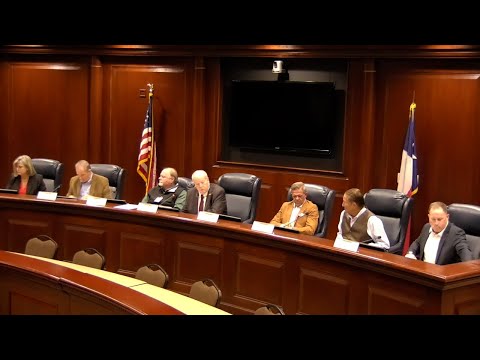
Dozens of Granbury residents packed public comment time at the Feb. 3 City Council meeting to urge the council to block or more tightly condition a proposed data-center and power-generation development known as Project Patriot.
Several speakers said the council and city staff had engaged with the project’s developer, Bilateral Energy, months before residents learned of plans and that the city had offered incentives. Daniel Piat, who said he lives on Meadowood Road near the project site, said public records show city staff and leadership were communicating with the developer in 2025 and that the city manager and economic development director had sent support letters. “You guys have lost the public's trust on this issue,” Piat said.
Teen resident Eva Piat told the council the development would “pollute Granbury and use valuable resources such as water and electricity” and warned that a large industrial campus less than a mile from the historic square would change the town’s character. Hamlet Peguero, who lives on Meadowood Road, called the proposal a “Trojan horse,” describing permit filings that he said show continuous, year‑round gas‑fired generation units and asserting they would create sustained low‑frequency noise and bright security lighting that would carry into nearby neighborhoods.
Others asked the council to use its authority to protect water resources, impose strict environmental and decommissioning conditions, and require that any abatement or incentive packages include enforceable mitigation requirements. Kenneth Meador, a rancher and former police officer, urged the council to require top‑tier wastewater and emission controls and to establish escrow for decommissioning so long structures can be removed if the facility closes.
Not all speakers addressed Project Patriot: Joe Jones, president of the Granbury Youth Baseball Association, used citizen comments to request the city partner on youth sports field allocation and said the group will meet with parks staff.
Council did not take action on Project Patriot during the public‑comment period. The meeting later moved into an executive session that listed economic development negotiations among permitted topics; council reconvened and reported “no action taken in closed session.”
The City Manager and councilmembers did not make formal responses to the specific public allegations during the meeting; city staff previously has presented economic development outreach in council materials, and residents at the Feb. 3 meeting asked council to circulate surveys and publicly disclose prior staff contacts and any incentive offers to the developer.
What happens next: speakers requested that the council re‑examine prior letters and incentive offers, consider public surveying of resident sentiment, and adopt stronger conditions on abatements and permits. The council did not set additional public hearings on the record at the Feb. 3 meeting.