Get Full Government Meeting Transcripts, Videos, & Alerts Forever!
Get email alerts on the Planning Policy topic
No spam. Unsubscribe anytime.
Cave Creek updates ordinances to comply with Arizona House Bill 24‑47, shifting many site‑plan and plat approvals to staff review
Summary
Following new state law, Cave Creek approved first readings to amend zoning, subdivision and land‑split rules so objective site plans, plats and lot splits will be handled administratively; staff described public notification measures including 500‑foot mailings and a GIS dashboard. Council votes were unanimous (7–0).
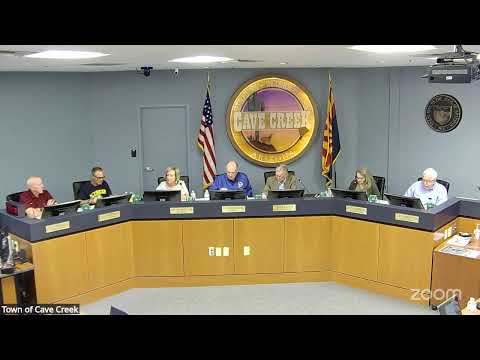
The Cave Creek Town Council approved first readings of three ordinances to amend local code and bring the town into compliance with Arizona House Bill 24‑47, which requires municipalities to permit administrative (staff) review and approval of site plans, preliminary/final plats and lot splits that meet objective criteria.
Development Services staff explained the changes will shift certain applications from planning‑commission and council public hearings to administrative approvals when objective code criteria are satisfied. To preserve public notice and transparency, staff proposed mailed notices of administrative approvals to properties within 500 feet, a GIS dashboard on the town website to display active and recently approved applications, quarterly updates to the Development Services Council and continued staff availability for resident meetings.
Councilmembers noted the change is largely procedural: discretionary matters (special uses, rezonings, text amendments) remain legislative and will still require public hearings. Staff said municipal experience across the state shows the larger jurisdictions already conduct these reviews administratively and that the town’s amendments mainly align local procedures with state law. The three first readings passed unanimously; staff indicated second readings will be non‑controversial and offered as summarized ordinance packets.
Ending: The code amendments will change how many routine development approvals are processed; the town will publish public notification materials and implement a GIS tracking dashboard to keep neighbors informed of administrative approvals.