Lifetime Citizen Portal Access — AI Briefings, Alerts & Unlimited Follows
Adams County delays Seltzer Heights subdivision after questions over nearby oil-and-gas wells, monitoring and disclosure
Loading...
Summary
After extended questioning about active and legacy oil-and-gas sites near a proposed 205‑lot subdivision, Adams County commissioners continued the Seltzer Heights preliminary plat to March 17, 2026 to allow staff and the developer to refine conditions on well remediation, air-quality monitoring and buyer disclosures.
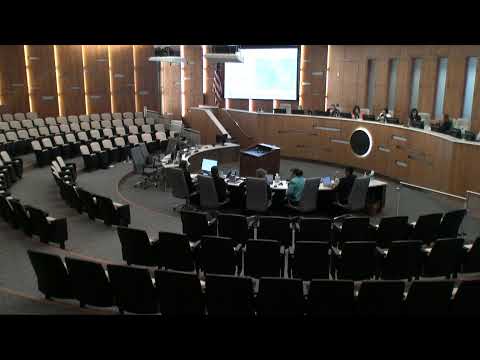
Adams County commissioners on Feb. 3 continued a proposed 205-lot subdivision in northeastern Adams County after an extended hearing focused on nearby oil-and-gas infrastructure, safety and disclosure.
Nick Eagleson, planning staff, presented PLT2025-6 (Seltzer/Seltzer Heights Filing 1), a preliminary plat to create 205 single‑family lots over roughly 227 acres near East 168th Avenue and Yosemite Street. Staff recommended approval with nine findings of fact, 10 conditions and a set of notes that included provisions to confirm water and sewer service from the Todd Creek Village Metro District and additional requirements tied to nearby oil-and-gas sites.
The oil-and-gas conversation centered on two types of facilities: a legacy vertical site known in presentation materials as the Signal Reservoir (operated by KP Kaufman) and a more recently expanded Chevron pad that staff said could still be active for years. Greg Dean, Adams County oil and gas administrator, told commissioners the older vertical well "is active. That means it's still producing oil and natural gas," though he said production volumes are low and truck traffic limited. Staff reported some wells nearby were formally out of compliance for things such as weeds, signage and trash, but interviews and infrared imaging found no active leaks at those sites.
Commissioners pressed staff on several interlocking questions: whether lots closest to a pre‑2000 disturbed oil-and-gas area should be held from development until remediation is complete; how the county’s existing "reverse setback" (250 feet from a wellbore for pads that predate housing) applies; whether new drilling could occur later on the Chevron pad; and whether a developer-funded or county-managed air-quality monitoring program could give future residents timely alerts.
"If there are soil contamination points, they have to excavate until they reach clean soil," Dean said in response to questions about potential remediation. He and other staff described existing county and state enforcement channels (ECMC and Colorado’s Division of Oil and Gas processes) and noted that historical drilling practices mean flow lines and records are sometimes incomplete.
Developers and the Todd Creek Metro District told the board they can supply water and sewer infrastructure; Don Summers, general manager of the district, said, "Yes. There's enough water" under current infrastructure plans. Applicant representatives emphasized the project’s community benefits: PCS Group’s John Prestwich said, "we believe that this filing delivers a well planned, low density neighborhood" with parks, interconnected trails and more than 127 acres of open space.
Despite those planning benefits, several commissioners said monitoring alone would not resolve their concerns about new drilling and the development phase of wells — the period when noise, truck traffic and emissions are greatest. Some commissioners proposed holding the two lots closest to the disturbed area out of immediate building permits until the Signal Reservoir site is plugged and reclaimed, or moving the proposed neighborhood park to increase separation.
Commissioner O'Dorisio moved to continue PLT2025-6 to March 17, 2026 so staff, county legal, public‑health and oil-and-gas specialists can develop specific conditions on ongoing monitoring, disclosure language for buyers, and safety measures; Commissioner Henson seconded and the motion passed.
What happens next: staff will return with a set of recommended conditions and legal analysis. The March 17 hearing is intended to give the board options on monitoring technology and timing (real‑time alerting vs. retrospective reporting), recorded disclosure language for buyers, and whether certain lots should be delayed until remediation or additional operator commitments are secured.
Why it matters: the decision balances two county priorities — housing production and public health/safety — and underscores how legacy oil-and-gas infrastructure complicates infill and new suburban development in parts of Adams County.