
Host of Cuba al Día says Díaz-Canel’s recorded address signals harsher contingency measures for Cubans
Get AI-powered insights, summaries, and transcripts
Sign Up Free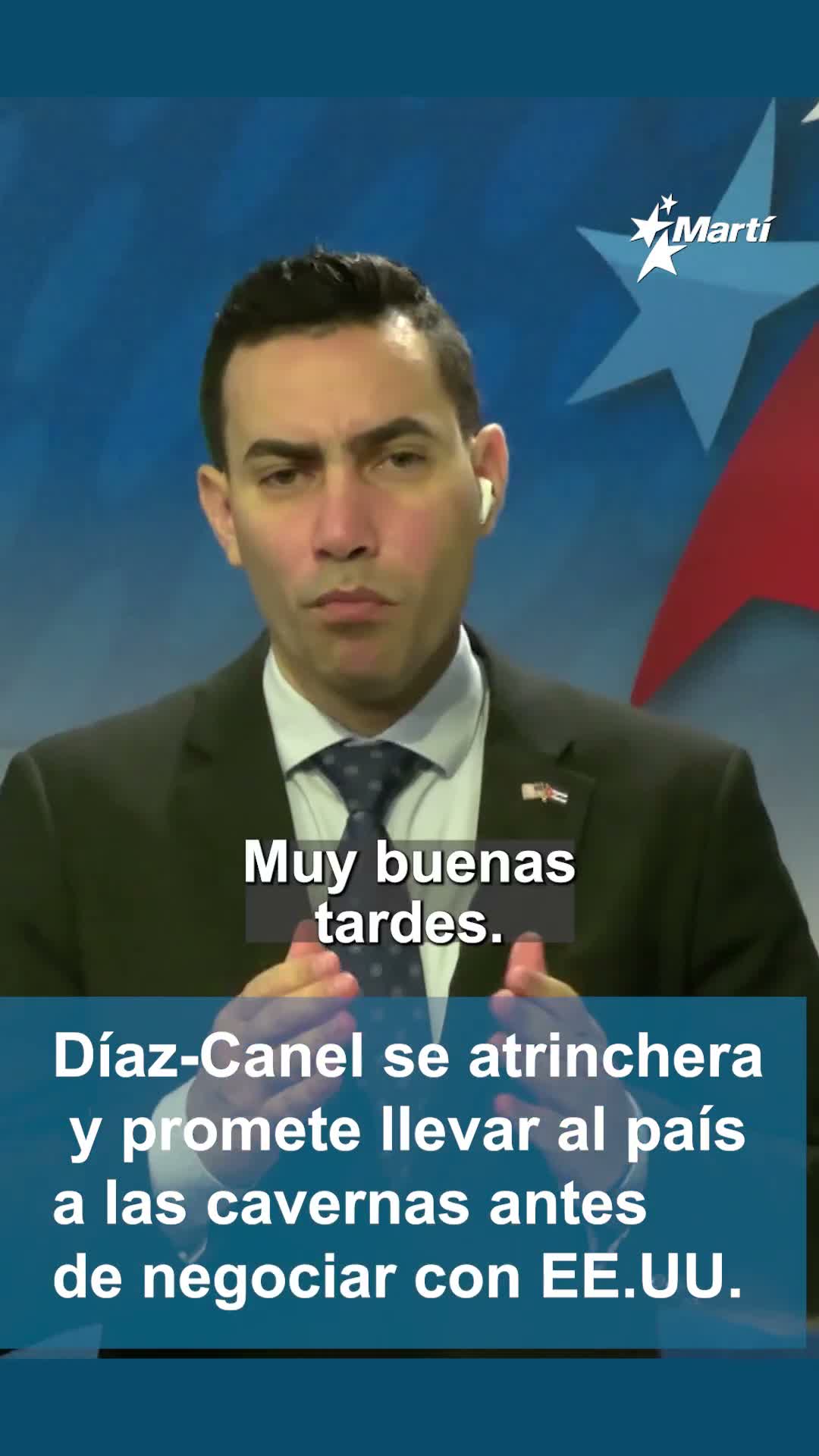
Summary
On-air host Mario Pentón characterized President Miguel Díaz-Canel’s recent recorded address as a staged propaganda effort and warned listeners it signals tougher contingency plans — more blackouts, shortages and no political reforms — tied to fuel availability.
Mario Pentón, host of the radio program Cuba al Día, opened the broadcast by describing President Miguel Díaz-Canel’s recent address as a staged effort to "preparar psicológicamente al país para lo que viene." Pentón said in the program: "Lo que viene es muy duro," and told listeners to expect "más sacrificios, más apagones, más escasez, 0 cambios reales."
Pentón translated the government's language as bureaucratic and said the announced contingency plan places the burden on ordinary Cubans while political power remains unchanged. He noted the speech made no mention of reforms, freeing political prisoners, or opening the economy, saying instead that officials emphasized "resistencia."
An unidentified on-air speaker referenced "las indicaciones del comandante en jefe" and said directives for a "período especial" and an "opción 0" were being updated to reflect fuel availability. That speaker told listeners the measures "aunque no van a ser permanentes, but tendrán que ver... con qué disponibilidad de combustible estemos," framing implementation as contingent on fuel supplies and as requiring public effort.
Pentón criticized the program’s presentation, saying Díaz-Canel did not appear live and that the broadcast was "grabado y rodeado por los propagandistas más fieles," calling the presenter Arlene Rodríguez Derrivet a "amiga y cómplice" of the president.
The broadcast repeatedly tied future service disruptions and hardship to energy constraints. The program ended with Pentón asking whether Cubans will continue to "resistir" under worsening conditions and signing off: "Soy Mario Pentón, esto es Cuba al Día."
The address and the government’s contingency planning, as described on the program, raise questions about how measures will be phased and how fuel shortages will affect daily life; the broadcast offered critical interpretation but no new official timetable or technical implementation details.