
Cuban leader warns of acute fuel shortages as U.S. expands humanitarian aid
Get AI-powered insights, summaries, and transcripts
Subscribe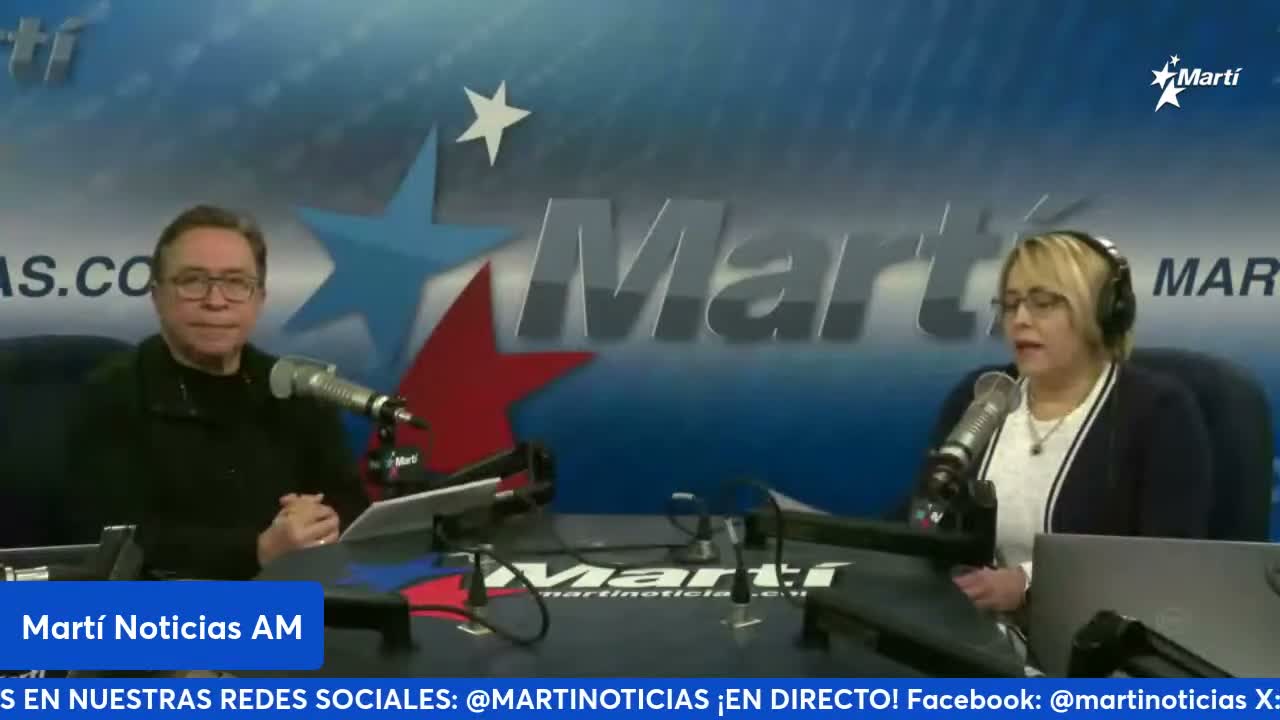
Summary
Radio Martí reported that President Miguel Díaz‑Canel warned of a severe fuel shortage that could force emergency measures similar to the 1990s "periodo especial." U.S. officials announced an additional $6 million in humanitarian aid to be routed through local parishes and monitored to avoid regime interference.
President Miguel Díaz‑Canel warned of a severe shortage of fuel that could force Cuba to consider emergency measures similar to the 1990s "periodo especial," the hosts of Radio Martí’s Martí Noticias AM reported on Feb. 6. Broadcasters said the government has updated contingency guidelines but did not offer immediate solutions.
The program cited statements that Cuba has not received fuel since December and that authorities are working to expand storage, increase domestic production and seek alternative energy sources. Experts quoted on the broadcast warned the island could run out of fuel within weeks, a development that would disrupt transportation, food distribution and basic services.
The show also reported that the U.S. government announced $6 million in additional humanitarian assistance for Cuba, to be transported from Miami and distributed primarily through local parishes and church networks. The broadcast said U.S. officials described the shipments as consisting of nonperishable foods, hygiene products and solar lamps and that Washington will monitor distributions to reduce the risk of diversion by Cuban authorities.
In an interview on the program, journalist and rights activist Omar López Montenegro called Díaz‑Canel’s speech "the recognition of a failed state," arguing that public references to possible talks with the United States are aimed mainly at domestic audiences. "Es el reconocimiento de un estado fallido," López Montenegro said on air, adding that talk of a so‑called "option 0" appears designed to calm public unrest rather than being a realistic operational plan.
The program carried a first‑person report attributed to the U.S. chargé de affaires in Havana describing visits to hurricane‑affected communities in Holguín and coordination with religious groups for distribution of aid. Broadcasters reported the State Department said deliveries will be monitored and reiterated that any obstruction to aid would have consequences.
What happens next: the broadcast reported continuing concern among civil‑society groups and analysts that without reliable fuel deliveries and transparent aid distribution the humanitarian situation could worsen. Radio Martí indicated it will continue coverage and interviews as new information becomes available.